KOW webinar series · Free fall sessions for the industryREGISTER NOW
Construction & real estate due diligenceNational Reach. Local Insight.

Construction risk management

Construction Loan Monitoring

Independent site observations and draw review for lenders tracking work in place, requested funds, remaining cost, schedule, and change activity.

Request a proposal

In plain terms

Compare the draw request with work in place and the remaining budget.

Construction loan monitoring gives lenders and equity partners a recurring record of progress, payment requests, budget changes, and completion exposure. The field visit and document review must address the same reporting period; photographs alone do not explain whether the requested funding is supported.

Scope, requirements & reporting

Requirements and reporting details.

What the site observation establishes

Document visible work by trade, compare it with the reported percentage complete, and identify incomplete or defective work that could affect the draw. Note areas not accessible and work concealed before observation. A monitoring visit is not continuous supervision or a substitute for required code and special inspections.

What the draw review should reconcile

Compare the application for payment with the schedule of values, prior certified amounts, retainage, change orders, contingency, and remaining commitments. Stored-material requests need supporting evidence of the materials, location, ownership, insurance, and lender-required protections. Off-site verification must be expressly arranged.

What the report should tell the lender

State the observation date, requested amount, recommended adjustments, unresolved information, progress and schedule concerns, and funds remaining to finish. Distinguish verified facts from contractor forecasts. The lender makes the funding decision under its loan documents.

Construction Services consulting
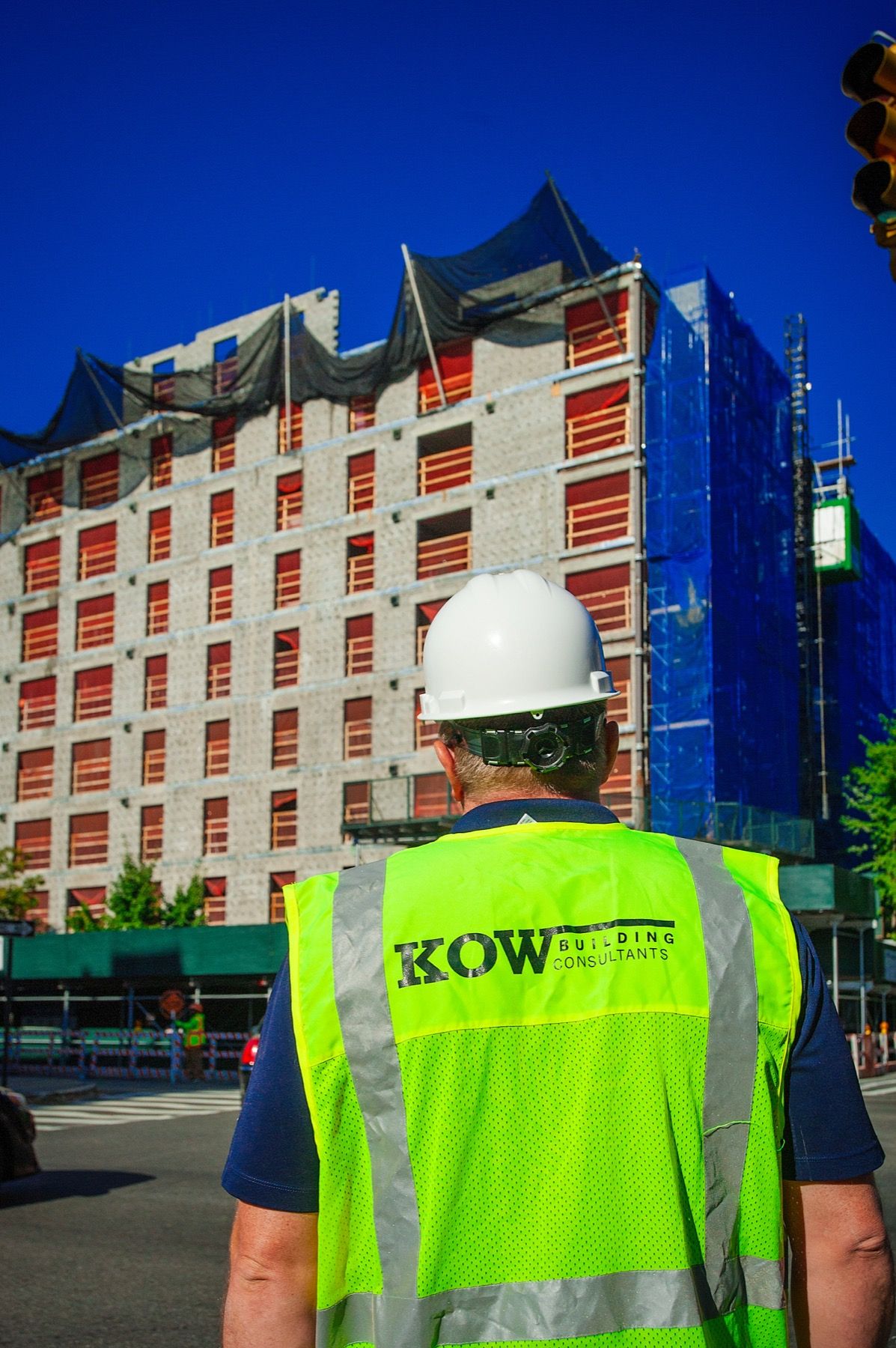
KOW in the fieldField observation · Draw review · Monthly reporting

Decisions supported

Questions the report addresses.

  1. 01

    Is the requested advance supported by observed progress and documentation?

  2. 02

    Is the remaining undisbursed balance reasonably aligned with the cost to complete?

  3. 03

    Are schedule, contingency, change orders, or unresolved project issues creating additional risk?

  4. 04

    What conditions or follow-up items should be addressed before or after funding?

Typical scope

What KOW reviews and documents.

The final scope follows the property, transaction, program, client requirements, and information available. Typical elements include:

Initial project orientation and document review
Recurring site observations
Draw request and supporting-document review
Work-in-place and stored-material verification
Budget, contingency, and change-order tracking
Schedule and completion-status commentary
Photographic documentation
Closeout and final progress reporting

Process

How the assignment is carried out.

01

Establish the baseline

Review the approved budget, plans, contracts, schedule, prior funding, and reporting requirements.

02

Observe progress

Visit the site, document current conditions, and evaluate work completed since the prior observation.

03

Reconcile the draw

Compare requested funding with observed progress, pay applications, stored materials, changes, and remaining balances.

04

Report the funding picture

Summarize progress, material risks, exceptions, and recommended follow-up for the lender’s review.

Common assignments

Typical assignments.

Ground-up construction

Recurring monitoring across the full construction cycle for new multifamily, mixed-use, commercial, and institutional projects.

Renovation and adaptive reuse

Progress and cost review where existing conditions, phased work, or occupied spaces add complexity.

Portfolio lending

A consistent monitoring standard across multiple projects, borrowers, geographies, and internal lending teams.

Frequently asked

Frequently asked questions.

Does paid-to-date equal installed progress?

No. Deposits, stored materials, retainage, front-loaded values, and delayed billing can separate payment from physical progress. The report should reconcile those differences rather than equate dollars spent with work completed.

Do equity partners need a separate report?

Not always. A shared assignment can address agreed lender and equity reporting needs, with reliance and distribution established in advance. Different funding structures may still require separate analyses.

Can stored materials be included in a draw?

That depends on the loan documents and required evidence. A purchase order alone does not prove delivery, ownership, appropriate storage, or insurance. Identify which checks are included before recommending payment.

What does KOW review with a construction draw?

The review typically connects the application for payment and supporting backup with observed work in place, stored materials, the approved budget, change activity, contingency, schedule, and the funds remaining to complete the project.

Does a construction monitor approve the draw?

KOW provides an independent review and funding recommendation within the agreed scope. The lender retains its own authority under the loan documents and internal credit procedures.

How often is the project observed?

Monthly observations are common, but the cadence can follow the draw schedule, project milestones, or a lender-specific monitoring program.

Start a conversation

Talk to us about loan monitoring.

Tell us what you’re working on. Our team will help define the right scope and get a proposal moving.

Request a proposal