
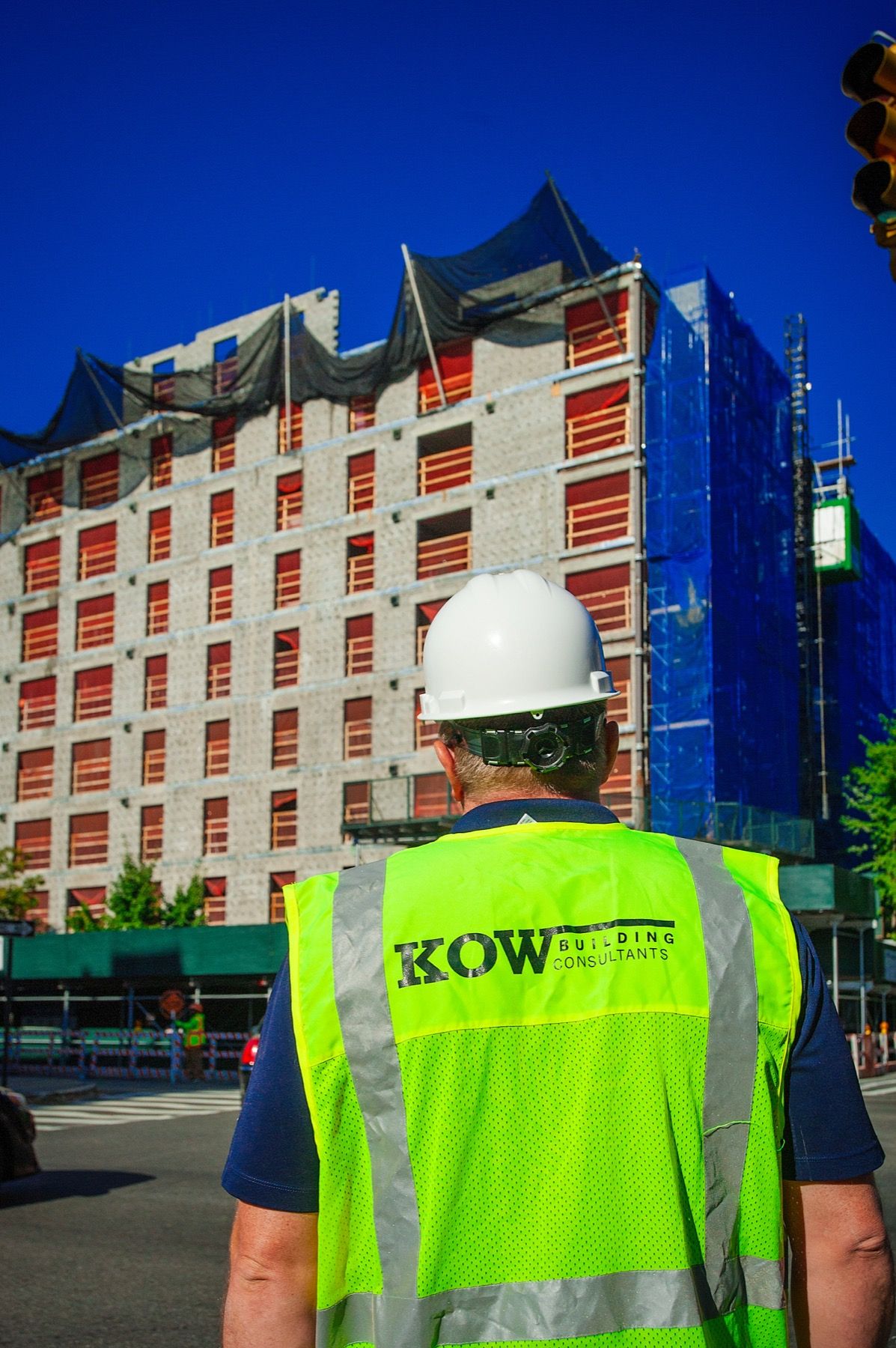
Phased completion requires an area-based record of occupancy approvals, life-safety interfaces, remaining work, closeout, schedule, and funds to finish.
Create the phase map before reporting completion
Identify each building, wing, floor, unit group, tenant area, amenity, parking area, site zone, public space, utility, and shared system needed for the project’s turnover plan. For each phase, record the planned and actual availability date, intended use, responsible contractor, governing permits, inspections, occupancy document, substantial-completion status, punch status, commissioning or testing, owner turnover, lender milestone, and remaining work.
The map should also identify systems and spaces that cross phases: fire protection, alarm, egress, elevators, domestic water, electrical distribution, emergency power, HVAC plants, controls, loading, parking, accessible routes, security, drainage, landscaping, and public improvements. An occupied floor may still depend on incomplete work outside its boundary.
Keep the completion terms separate
A temporary or partial certificate of occupancy is issued by the authority having jurisdiction under the applicable local requirements and may carry limits, conditions, expiration dates, and renewal obligations. A certificate of substantial completion is a contract-administration record and can apply to a designated portion of the work. Owner possession or use, tenant opening, lease commencement, revenue recognition, lender completion, stabilization, final completion, and conversion to permanent financing are governed by different documents and decisions.
The report should name the record received and avoid translating it into a broader conclusion. A model building code may authorize temporary occupancy of a portion determined safe for occupancy, but adopted codes and local procedures vary. The lender, counsel, title or other professionals, and authority having jurisdiction retain their respective approval and interpretation roles.
Evaluate the occupied-unoccupied interface
Partial occupancy changes the construction environment. Review separation from active work, fire and life-safety protection, egress, accessibility, lighting, temporary barriers, dust and noise control, deliveries, hoisting, security, emergency access, utilities, water protection, weather exposure, housekeeping, signage, contractor routes, and communication with occupants as applicable to the project.
Temporary systems and operating workarounds should have an owner, inspection or maintenance requirement, end condition, and removal or conversion plan. The monitor should state what was observed and which safety, code, design, or operational determinations remain with the responsible professionals and authorities. Occupancy is not evidence that every shared system has been finally tested, documented, or accepted.
Rebuild the remaining-work and cost picture by phase
Separate complete, punch, incomplete, defective, deferred, owner, tenant, utility, off-site, testing, commissioning, documentation, and closeout work. Connect the remaining scope to contract balances, retainage, approved and pending changes, allowances, unbought work, general conditions, contingency, soft costs, temporary measures, and other funds required through full completion.
The cost to finish an early occupied phase may be small while the cost to finish the entire project remains material. Conversely, a large contract balance does not prove that funds are allocated to the right remaining work. The report should identify scope and funding that cannot be confidently mapped, including costs shifted to later phases or excluded from the current contractor’s responsibility.
Report schedule and operations without confusing them
Track phase-specific approvals, turnover, lease-up or opening milestones, shared-system dependencies, public work, commissioning, final inspections, and closeout. Occupancy may change work hours, access, productivity, testing windows, protection, staffing, and general conditions. A phase that opens on time can still create pressure on later completion if temporary arrangements or shared work remain on the critical path.
Leasing, sales, revenue, or utilization information may be relevant to the lender’s broader project view, but KOW’s construction report should distinguish information reported by the borrower, owner, leasing team, or operator from field-observed construction status. Operational success in one phase does not by itself establish construction completion or adequate funds to finish the others.
Close each phase without losing the final project
For every phase, track punch lists, correction evidence, testing, commissioning, training, warranties, operations manuals, record documents, spare parts, permits, certificates, lien or payment documentation required by the lender, owner acceptance, and surviving seasonal or warranty work. AIA identifies G704 as a standard form for recording substantial completion of the work or a designated portion, which reinforces the need to state the portion precisely.
Maintain one project-level closeout register above the phase records. Shared systems, site work, temporary certificates, expiring approvals, public improvements, final completion, final payment, loan requirements, and permanent-financing conditions may remain open after several areas are occupied. The lender needs both views: what can be used now and what still stands between the project and complete closeout.
Primary sources
Sources and technical references.
Source review current as of September 1, 2026.