
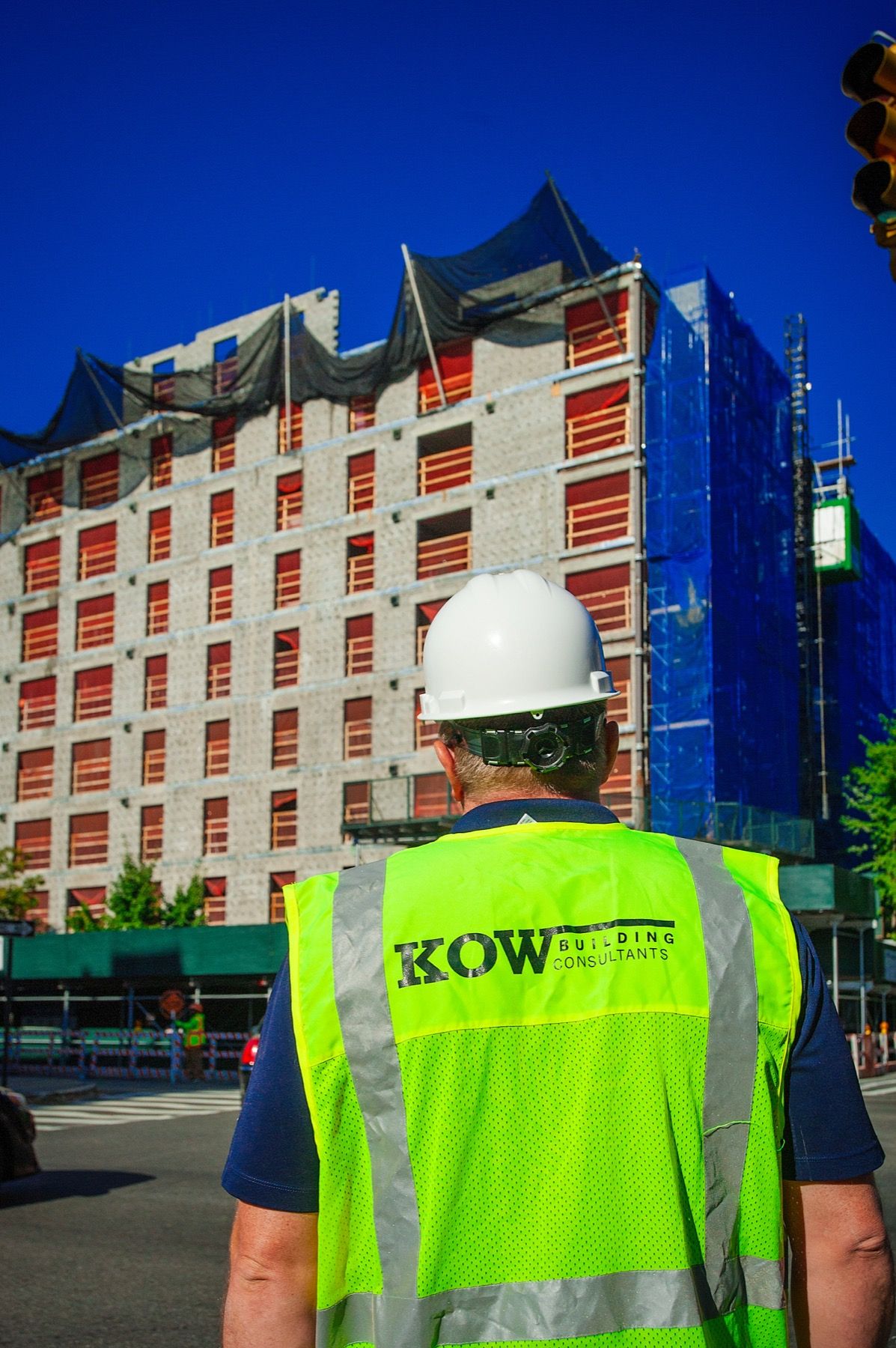
A lender’s completion view should include sitework, utilities, off-site improvements, public acceptance, seasonal work, bonds, and remaining funds.
Draw the completion boundary before measuring progress
Start with the legal and physical project limits: property lines, easements, rights-of-way, utility service points, municipal or agency work, shared infrastructure, adjacent parcels, phased areas, public dedications, and improvements required by approvals or agreements. Identify roads, sidewalks, curbs, drainage, retaining walls, landscaping, lighting, water, sanitary, storm, gas, electric, communications, fire service, traffic controls, and other work that can affect access, occupancy, operations, collateral, or release of project obligations.
Assign each element to the owner, contractor, utility, municipality, authority, adjacent developer, master association, or other responsible party based on the available agreement—not assumption. A line outside the site contract may still be essential to completion, and work shown on the civil plans may be funded or accepted under a separate instrument. The lender-facing record should state who is responsible, what evidence supports that conclusion, and what recourse or completion assurance has been reported.
Build the baseline from more than the civil drawings
Review the civil, landscape, utility, electrical, fire-protection, architectural, structural, and traffic documents together with surveys, plats, permits, utility applications, service agreements, development agreements, easements, right-of-way approvals, bonds, letters of credit, escrows, public-improvement agreements, agency conditions, contractor scope, allowances, and the development budget. Record dates, revisions, approval status, scope gaps, and work carried outside the principal construction contract.
Entitlements and permits can contain continuing conditions that do not appear clearly in the construction set. Utility service may depend on capacity upgrades, deposits, executed agreements, equipment furnished by the provider, inspections, meters, or work by another customer or agency. The baseline should identify prerequisites, responsible contacts, lead times, expiration dates, and the evidence required to move from application to active service or public acceptance.
Read sequence and season against building completion
Site and utility work is often constrained by structure, crane or hoist access, temporary services, heavy construction traffic, dewatering, weather, soil conditions, paving temperatures, planting seasons, utility outages, inspections, and municipal work windows. Temporary access or service can enable vertical construction without satisfying the permanent completion requirement. The schedule should show when permanent work can begin, which successor activities depend on it, and how temporary conditions will be removed.
Follow the connected path for each critical utility: design and load information, application, agreement, deposit, equipment release, upstream work, trench or room readiness, inspection, connection, meter, energization, startup, testing, and acceptance. Permanent power, water, sanitary discharge, fire service, drainage, and emergency access may control testing, certificates, occupancy, turnover, or safe operation even when the visible building work is advanced.
Separate installed, operational, and accepted
For sitework, completion evidence may include survey, density or compaction testing, concrete or asphalt tests, drainage observation, pressure or leakage testing, flushing, disinfection, video inspection, electrical testing, fire-flow or hydrant records, accessibility measurements, landscape acceptance, as-built drawings, authority inspection, punch-list closure, dedication, maintenance-period start, and final acceptance. The required record follows the project and responsible authority.
A line in the ground may be physically installed but not connected, tested, energized, conveyed, or accepted. A roadway may carry construction traffic before final paving, striping, signage, drainage, lighting, accessible routes, and municipal punch work are complete. The report should use precise states and preserve open prerequisites instead of treating percent installed as the full completion conclusion.
Track third-party assurances without treating them as construction
Bonds, letters of credit, escrows, retainage, agreements, and municipal undertakings may provide financial or contractual assurance for incomplete work. They do not install the work. Document the instrument, amount, beneficiary, expiration, reduction or release conditions, responsible party, work covered, exclusions, and current status as reported by the appropriate parties. Legal enforceability and lender rights remain with counsel and the governing documents.
HUD’s MAP materials distinguish off-site improvements and identify possible supporting plans, contracts, bonds, escrows, letters of credit, and evidence of locality responsibility. A conventional project may use a different structure, but the control question is similar: does the lender have a current, documented, and adequately funded path for work outside ordinary on-site completion? Avoid double counting both the remaining work and its assurance as if they were two independent sources.
Carry the work through remaining funds and final advance
Reconcile original and current budgets, contract or public-improvement values, utility deposits, allowances, bonds or escrows, approved and pending changes, seasonal deferrals, restoration, testing, professional services, permits, closeout, and known third-party costs. Quantify remaining quantities where practical and state which costs are committed, estimated, excluded, controlled by another party, or not yet supported. A small unpaid contract balance may be inadequate when key work was omitted, deferred, or expected from someone else.
FDIC construction-lending examination guidance specifically calls attention to developer contributions for public infrastructure and common-area improvements. Before final funding or conversion, identify the work that remains physically incomplete, the separate acceptance and release steps, the funds and assurances available, the schedule and responsible party, and any limitation on KOW’s ability to verify third-party work. Completion of the building should not erase the infrastructure record that makes the project usable.
Primary sources
Sources and technical references.
Source review current as of September 2, 2026.
- FDIC — Construction and Land Development Lending examination module
- HUD — MAP Guide Appendix 12, Construction Period
- HUD — MAP Guide Chapter 19, Assurance of Completion for Off-Site Improvements
- HUD — Multifamily Forms and Completion-Assurance Documents
- U.S. Army Corps of Engineers — Section 01 32 01 Project Schedule