KOW webinar series · Free fall sessions for the industryRegister
Construction & real estate due diligenceNational Reach. Local Insight.

Affordable housing planning

Integrated Physical Needs Assessments

Integrated Physical Needs Assessment consulting for affordable housing. KOW connects building condition, energy, water, and capital needs in an IPNA report.

Request a proposal

In plain terms

Physical repairs, energy, water, and preservation planning in one assessment.

An Integrated Physical Needs Assessment (IPNA) brings building condition, energy, water, and health needs into one plan. Owners use it to decide what to repair and which improvements to coordinate with rehabilitation. KOW evaluates equipment condition and building performance together, using the receiving housing program’s requirements.

Part of Sustainability and Existing Building Due Diligence.

Scope, requirements & reporting

Requirements and reporting details.

The report and the assessment tool

NYSERDA identifies a written property report and an evaluation tool. In New York City, confirm the requirements of Housing Preservation and Development (HPD) or Housing Development Corporation (HDC); state programs may involve Homes and Community Renewal (HCR). Check the current template and provider eligibility for the specific program before starting.

Review condition and operation together

Document the physical condition of systems alongside their operation. A boiler near the end of its life raises questions about replacement, distribution temperatures, electrical capacity, and emissions—not just the cost of another boiler. Coordinate roof life with insulation and solar work, and fixture replacement with water-saving opportunities.

  • Review physical deficiencies, equipment ages, repair history, and resident or staff concerns.
  • Reconcile utility accounts, usage, building areas, and operating schedules.
  • Identify access limitations and further design or testing needed before selecting a measure.

HPD moderate-rehabilitation requirements

HPD’s published guidelines require an IPNA less than two years old at application, prepared by a pre-qualified provider. They identify LL97 compliance, resiliency screening, and solar feasibility among the required elements. Poor or unsafe conditions and near-term replacement needs affect the rehabilitation scope. Apply the guideline’s remaining-useful-life rules when determining required work.

From recommendations to a buildable scope

Separate immediate repairs, proposed efficiency improvements, and later replacements. For each measure, state the affected systems, planning cost, expected benefit, prerequisites, and proposed timing. Coordinate the package with the architect and financing team so planned work, reserve assumptions, and performance targets do not contradict one another.

Commissioning an IPNA report for affordable housing

Identify the financing or preservation program, required assessment tool, receiving agency, and project milestone before commissioning the work. KOW brings physical-condition findings and energy and water analysis together so proposed measures can be coordinated with rehabilitation and long-term capital needs.

Plan access, utility records, and the rehabilitation scope

Provide the building and unit inventory, utility and meter records, prior reports, equipment replacement history, known concerns, and proposed rehabilitation budget. Missing accounts, incomplete access, or a changing project scope can require further review before recommendations and cost schedules are finalized.

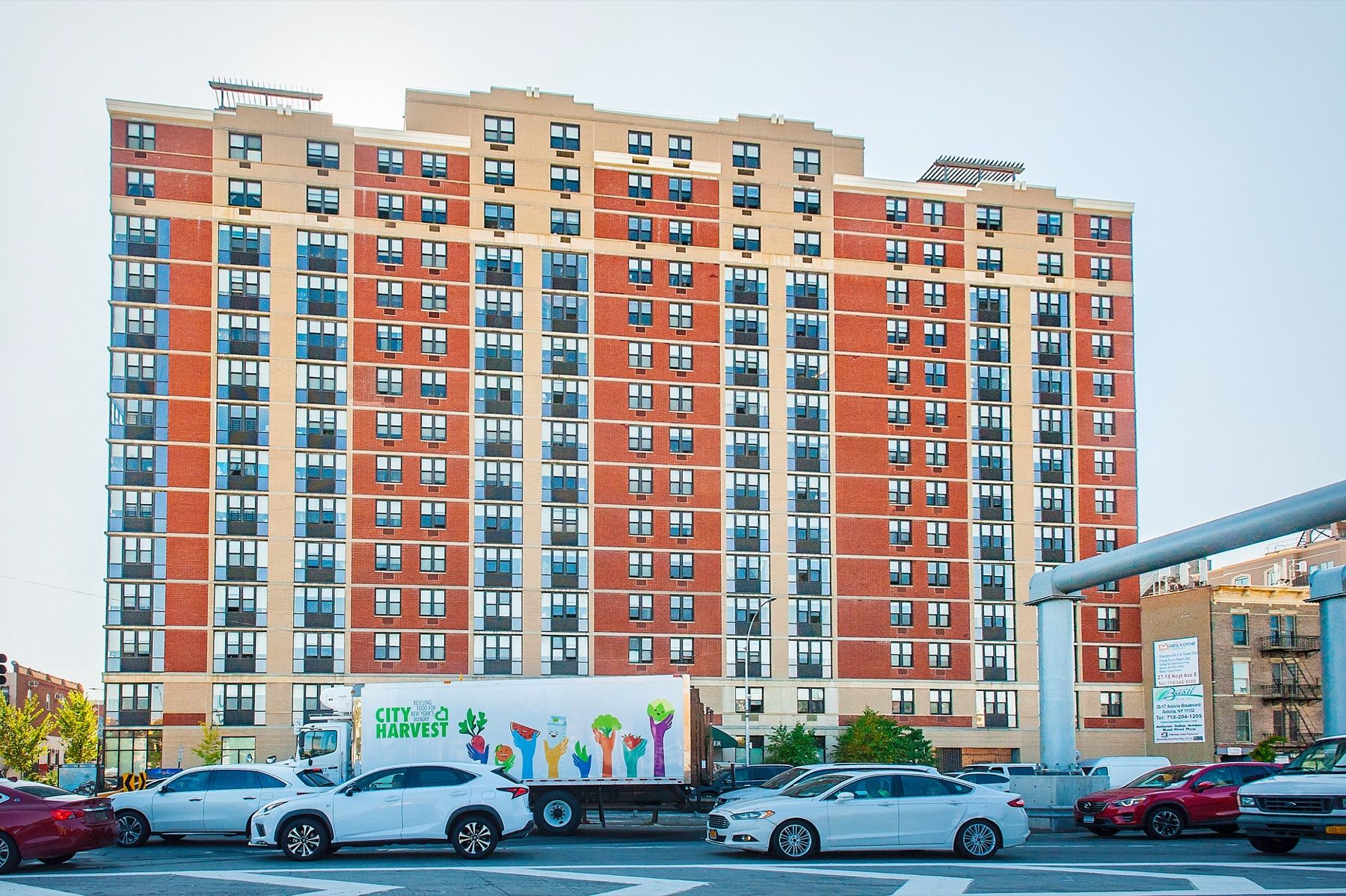
Affordable Housing project representative of KOW experience
KOW in the fieldPhysical needs · Energy · Water · Resilience · Capital planning

Your questions

Questions the report addresses.

  1. 01

    How do physical and energy needs interact over the planning period?

  2. 02

    Which measures should be coordinated with planned capital work?

  3. 03

    What program or financing requirements affect the assessment?

  4. 04

    How can the property schedule work around operating needs and available funding?

Typical scope

What the review covers.

We confirm the final scope based on the property, transaction, program, your requirements, and available information. The work typically includes:

Physical-needs assessment
Energy and water analysis
Capital-needs schedule
Efficiency-measure evaluation
Program-aligned forms and documentation
Implementation priorities
Coordinated recommendations

Process

How we do the work.

01

Set the assignment

Confirm the property or project, how the report will be used, who will rely on it, the schedule, available information, and the required deliverable.

02

Read the record

Review the documents, identify missing information, and arrange the people and site access needed for the work.

03

Do the field and technical work

Complete the observations, analysis, interviews, and specialist coordination required for the assignment.

04

Report what matters

Explain the significant findings, what supports them, the limits of the review, and any open items or recommended follow-up.

Common assignments

When clients use this service.

Preservation financing

Integrated planning for affordable housing recapitalization and rehabilitation.

Portfolio strategy

Coordinated physical and performance planning across a housing portfolio.

Program compliance

Assessment and documentation organized around applicable agency requirements.

Frequently asked

Frequently asked questions.

What does an Integrated Physical Needs Assessment report include?

The agreed report and assessment tool connect physical condition, capital needs, energy and water performance, proposed measures, and implementation priorities. The receiving program determines required templates, analyses, and supporting documentation.

When should an IPNA consultant join the project?

Before the rehabilitation scope and financing assumptions are fixed. Early review helps the team coordinate equipment replacement, efficiency measures, access, and capital costs. Confirm provider eligibility and the current program instructions for the assignment.

How is an IPNA different from a PCA or CNA?

A PCA focuses on physical condition; a CNA develops a capital-needs forecast. An IPNA integrates those needs with energy, water, and health assessment for an applicable preservation program.

Does an IPNA satisfy Local Law 97 reporting?

Not by itself. It can evaluate emissions and inform a reduction plan, but an LL97 submission has its own applicability, certification, and filing requirements. Include those separately in the engagement if needed.

Do all housing agencies accept the same provider and template?

Do not assume so. NYSERDA publishes approved-provider information, including HCR-specific teams. Verify the program’s current provider, template, and submission requirements before commissioning the assessment.

Can we retain an old IPNA for a new financing application?

Check the receiving agency’s age limits and update instructions. HPD’s moderate-rehabilitation guidance calls for an IPNA less than two years old at application. New work, changed utility use, or missing required analyses can also require an update.

Does the assessment include final retrofit design?

No. The assessment identifies and compares needs and measures. Final engineering, utility coordination, permits, bids, and construction documents may be separate services after the owner selects the scope.

What is the relationship between IPNA and GPNA?

Green physical-needs terminology varies between programs. Confirm the required deliverable by agency and template. Do not assume a report labeled GPNA automatically meets New York’s IPNA requirements.

What makes an IPNA integrated?

An IPNA combines a traditional PNA with an energy audit and identifies housing-related health issues to consider during rehabilitation, maintenance, or operations. It also includes solar PV screening, electrification-readiness analysis, and identification of flood and heat hazard exposure.

Can an IPNA inform a rehabilitation scope?

Yes. Findings can help owners and financing partners organize priorities and evaluate how proposed rehabilitation, efficiency work, reserves, and long-term needs fit together.

Start a conversation

Talk to us about ipna / gpna.

Tell us what you’re working on. We’ll help you plan the scope and prepare a proposal.

Request a proposal