
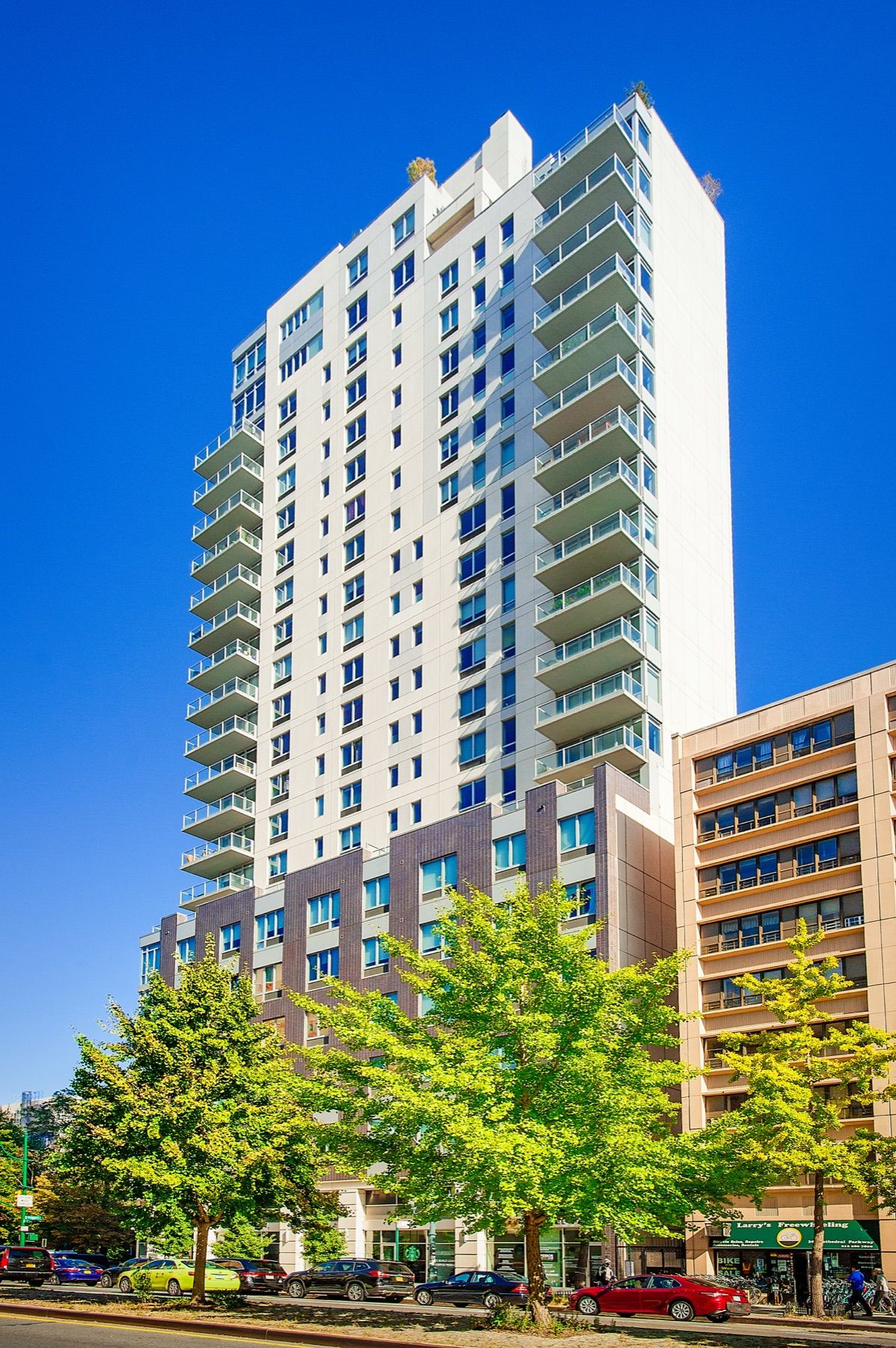
FISP, annual parapet observations, and parking-structure inspections can share access, condition history, and repair planning without becoming one filing or one professional assignment.
Build the applicability and cycle register first
Start with the property, building count, height, stories, street frontages, parapets, parking structures, occupancy, construction, alteration history, prior filings, current cycle, sub-cycle or observation year, and open conditions. The register should identify the program, governing requirement, responsible professional, inspection or observation window, filing or report-retention obligation, unsafe-condition notice path, and responsible owner representative.
Applicability should be confirmed for the specific property and current cycle. NYC Department of Buildings rules, forms, portals, classifications, and filing instructions evolve, and different programs use different thresholds and exceptions. A prior filing or vendor proposal can inform the record but should not be treated as a current applicability determination without review.
FISP is a close-up façade safety program
New York City’s Façade Inspection and Safety Program applies to exterior walls and appurtenances of buildings higher than six stories. A Qualified Exterior Wall Inspector performs the required examination, classifies the building condition, and files through DOB NOW: Safety on the applicable five-year cycle and sub-cycle.
The FISP record should include prior reports, amendments, repair filings, unsafe-condition notifications, permits, photographs, access maps, repair drawings, completion evidence, and correspondence. The owner’s capital record should preserve the location, condition, classification, repair status, and next required action without converting the consultant’s planning description into a QEWI determination.
The annual parapet observation is a separate owner record
NYC requires annual observation of parapets fronting the public right-of-way for covered buildings, subject to stated exceptions. The observation is close-up, the report is ordinarily retained by the owner for at least six years rather than filed annually with DOB, and the condition is described as safe, unsafe, or requiring maintenance.
An unsafe condition requires immediate public-protection action and notification through the required channels. DOB guidance also explains that a FISP report can satisfy the annual parapet-report requirement when it contains all information required by the parapet rule. That potential coordination should be documented deliberately; it does not make the two programs interchangeable or eliminate work for parapets outside the FISP examination record.
Parking structures have their own structural inspection path
NYC’s Periodic Inspection of Parking Structures program uses six-year cycles and a Qualified Parking Structure Inspector. Separate annual observations are retained at the parking facility and address readily observable indications of deterioration in structural components, waterproofing, wearing surfaces, fireproofing, and firestopping, among other program requirements.
Parking decks can intersect with façades, parapets, plaza systems, occupied spaces, drainage, waterproofing, vehicle impact, and repair projects. FISP and parking-structure work may therefore share building information or access planning, but the QEWI and QPSI roles, examinations, classifications, filings, and professional judgments remain program-specific.
Share access and history without blurring responsibility
Owners can reduce duplication by maintaining one current base drawing, elevation and deck identifiers, access plan, prior-condition log, repair history, permit record, photograph convention, protection plan, and list of recurring locations. Lift, scaffold, sidewalk-shed, roof, garage, tenant, and public-space access can sometimes be coordinated when the schedule, safety plan, and professional scope support it.
Coordination should never imply that one professional observed an area outside the engagement, adopted another professional’s conclusion, or completed a filing assigned to someone else. The work plan should identify who directs access, who observes which locations, how urgent conditions are communicated, what evidence is shared, and which professional retains responsibility for each report or filing.
Manage repairs through one capital record
A condition can appear in more than one program: deteriorated masonry above a garage entrance, a leaking deck near a façade, displaced coping at a parapet, or corrosion linked to failed waterproofing. The owner’s capital record should connect those observations to a defined repair project while preserving the source program, location, classification, temporary protection, design, permit, contractor, completion evidence, and required professional follow-up.
The result is not one blended compliance report. It is one controlled ownership record supporting several distinct obligations and a coherent repair strategy. That separation helps ownership avoid duplicate scopes, missed deadlines, inconsistent location names, and the false assumption that completing a construction project automatically closes every related statutory requirement.
Primary sources
Sources and technical references.
Source review current as of September 1, 2026.