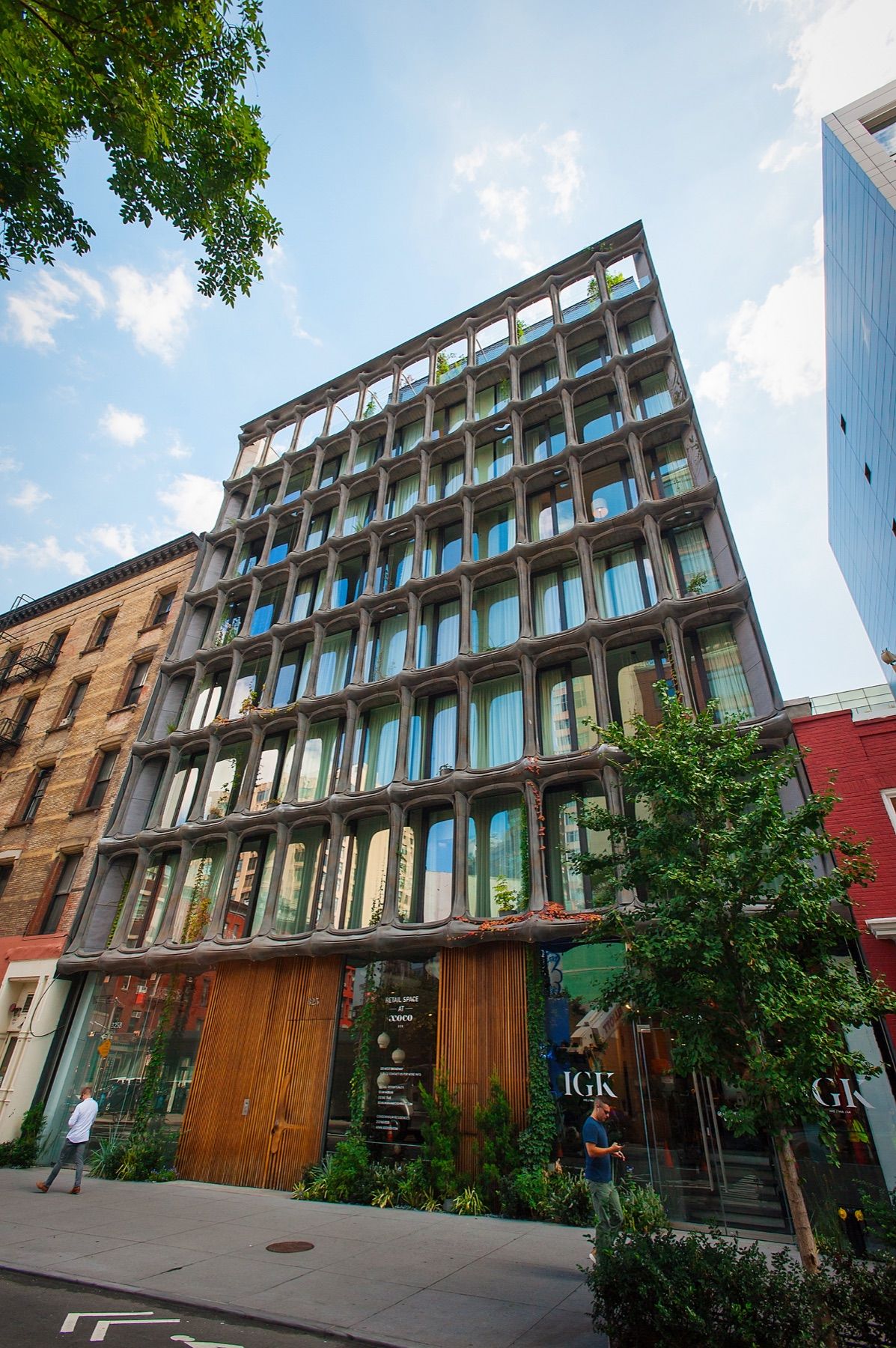
Inspect applicable parapets and retain the annual condition record.
Beginning in 2024, NYC requires annual observations of applicable parapets fronting the public right-of-way, regardless of building height. The purpose is to identify hazardous conditions before masonry or other components can fall into a public area.
Scope, requirements & reporting
Requirements and reporting details.
Confirm whether the parapet is covered
DOB’s guidance covers parapets along streets, sidewalks, and other public rights-of-way, with stated exceptions. Review the actual building condition and exposure. Do not assume that a low-rise building is excluded or that a previous façade inspection automatically fulfills the current year’s observation requirement.
Keep the annual report available
The observation must be performed by a person competent to inspect parapets. Owners must retain reports for at least six years and make them available to DOB on request. KOW can document observed conditions and identify follow-up needs within the inspection scope.
Unsafe conditions require immediate action
DOB directs the person observing an unsafe condition to notify the Department immediately by calling 311 and emailing its parapet address. Protective measures and corrective work must follow the applicable requirements. A routine written report is not a substitute for immediate notification and protection when a hazard is found.
What the work should document
The observation record should identify the building, observation date, observer, parapet locations, visible conditions, photographs, and access limitations. Identify loose, displaced, deteriorated, or unstable elements and the required follow-up. A routine report must not delay protective action when a dangerous condition is observed.
KOW in the fieldVisual observation · Condition record · Follow-up guidance
Decisions supported
Questions the report addresses.
01
Is the parapet in a condition that requires repair or further evaluation?
02
What documentation should the owner retain?
03
Are there access or visibility limitations requiring follow-up?
04
What maintenance or corrective steps should be prioritized?
Typical scope
What KOW reviews and documents.
The final scope follows the property, transaction, program, client requirements, and information available. Typical elements include:
Applicability confirmation
Qualified parapet observation
Condition documentation
Photographic record
Written inspection report
Corrective-action recommendations when warranted
Process
How the assignment is carried out.
01
Set the assignment
Confirm the property or project, intended use, reliance parties, schedule, available information, and required deliverable.
02
Read the record
Review the documents, identify gaps, and coordinate the people and access needed to complete the scope.
03
Do the field and technical work
Perform the observations, analysis, interviews, and specialist coordination called for by the assignment.
04
Report what matters
Separate material findings from background information and state the basis, limitations, open items, and follow-up clearly.
Common assignments
Typical assignments.
Annual compliance
Scheduled observation and reporting for an applicable property.
Portfolio program
Coordinated inspections and records across multiple New York City buildings.
Follow-up documentation
Updated observation after repair or when prior conditions require monitoring.
Frequently asked
Frequently asked questions.
Does the requirement apply only to tall buildings?+
No. DOB’s annual requirement applies to covered parapets fronting the public right-of-way regardless of building height, subject to the stated exceptions.
Must the annual report be filed with DOB?+
DOB says routine reports are retained by the owner rather than submitted annually. Keep them for at least six years and provide them on request. Unsafe conditions have separate notification and response requirements.
Does a façade inspection replace the annual parapet observation?+
Do not assume that it does. Confirm that the annual parapet requirement and its documentation are satisfied for the current year.
What if the parapet cannot be observed adequately?+
Record the access or visibility limitation and arrange the additional access or qualified evaluation needed. An obstructed view should not be described as a completed assessment of unseen conditions.
What does a parapet inspection involve?+
The applicable parapet is visually observed by a qualified person, visible conditions are documented, and the owner receives a written report or record consistent with the agreed scope and current requirements.
What happens when a concern is observed?+
The finding may call for maintenance, repair, protective action, or further evaluation by the appropriate professional, depending on the apparent condition and applicable requirements.