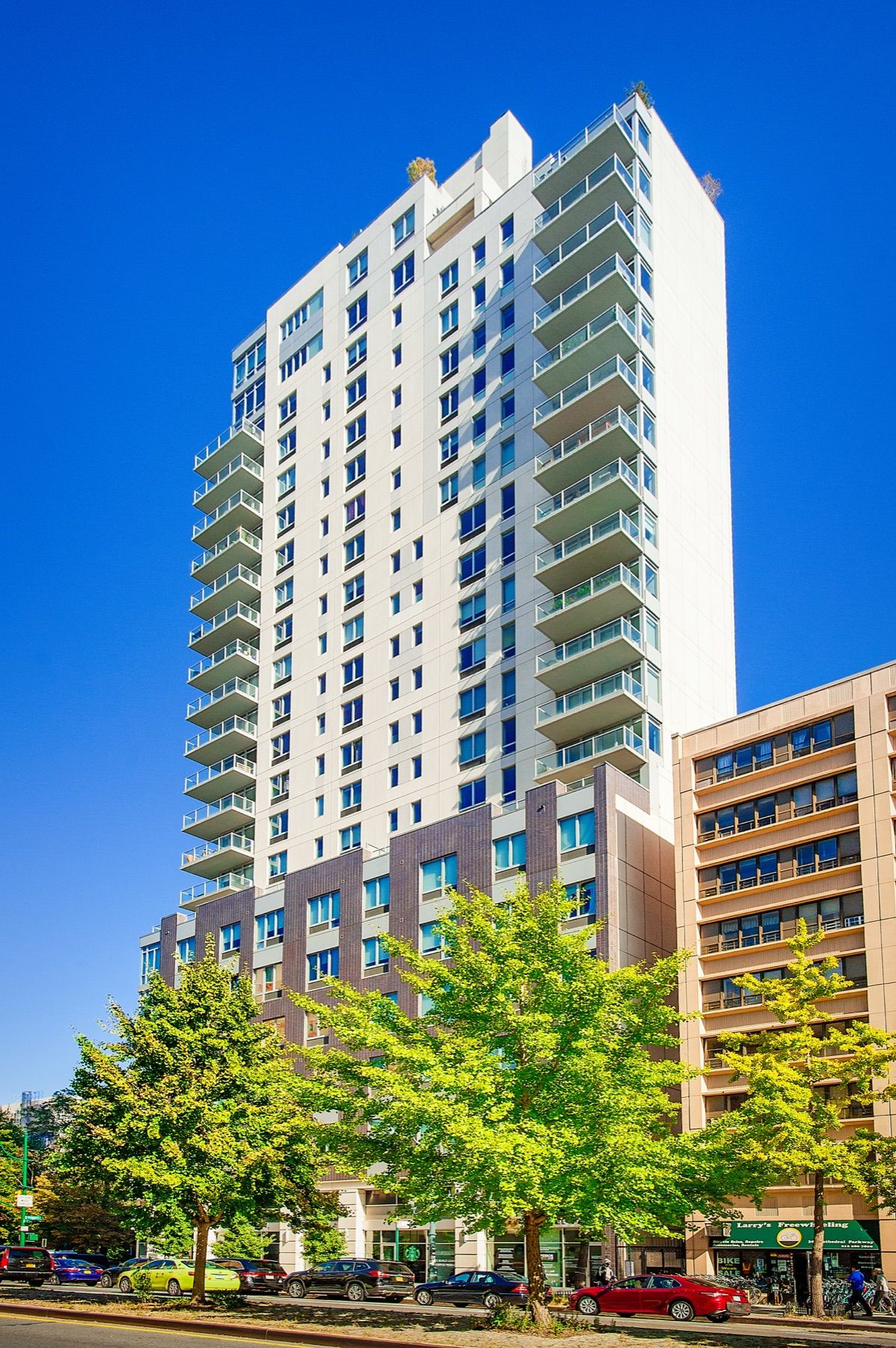
A focused inspection of an existing building or a specific concern.
A commercial inspection can address an acquisition, a reported defect, or selected systems without commissioning every element of a lender PCA. Define the decision first so the inspection is neither too limited nor burdened with irrelevant work.
Scope, requirements & reporting
Requirements and reporting details.
Define the systems and access
Specify whether the work includes site drainage, envelope, roofs, structure, mechanical and electrical systems, interiors, or only a reported condition. Establish how roofs, tenant spaces, equipment rooms, and restricted areas will be accessed.
Make the report useful for follow-up
Locate and photograph findings; distinguish maintenance from repairs and potential specialist work. State the observation limitations, urgency, and available cost information. A visual opinion about a leak is not the same as destructive water testing or a designed repair.
KOW in the fieldFocused scope · Site observation · Practical findings
Decisions supported
Questions the report addresses.
01
What is the apparent condition of the areas or systems in scope?
02
Does an observed issue merit specialist review or additional testing?
03
What repairs or near-term actions should the client consider?
04
Is a broader assessment warranted?
Typical scope
What KOW reviews and documents.
The final scope follows the property, transaction, program, client requirements, and information available. Typical elements include:
Defined-scope site inspection
Accessible-system observations
Photographic documentation
Condition commentary
Repair or further-review recommendations
Concise written findings
Process
How the assignment is carried out.
01
Set the assignment
Confirm the property or project, intended use, reliance parties, schedule, available information, and required deliverable.
02
Read the record
Review the documents, identify gaps, and coordinate the people and access needed to complete the scope.
03
Do the field and technical work
Perform the observations, analysis, interviews, and specialist coordination called for by the assignment.
04
Report what matters
Separate material findings from background information and state the basis, limitations, open items, and follow-up clearly.
Common assignments
Typical assignments.
Pre-purchase inspection
Focused condition review for a buyer who needs practical technical context before closing.
Targeted concern
Review of a specific system, condition, or area that has raised questions.
Follow-up observation
Documentation of repair progress or changed conditions after an earlier assessment.
Frequently asked
Frequently asked questions.
Will a focused inspection satisfy my lender?+
Only if the lender accepts that scope. Get the lender’s written requirements first; a narrower inspection may omit required research, sampling, or reserve analysis.
Can the inspector determine the cause of every defect?+
Not from visual evidence alone. A report should distinguish an observed symptom from a confirmed cause and identify testing or specialist analysis needed.
What happens if an area cannot be accessed?+
Document the limitation and its effect on the conclusion. Depending on the concern, a return visit or alternative evidence may be necessary.
When is a focused building inspection appropriate?+
A focused inspection can fit a smaller property, a defined system or condition, a pre-purchase concern, or follow-up work that does not require a full standard PCA.
Can the scope be limited to one concern?+
Yes. The subject, access, assumptions, limitations, and requested deliverable should be defined before the site visit so the resulting findings match the client’s question.