
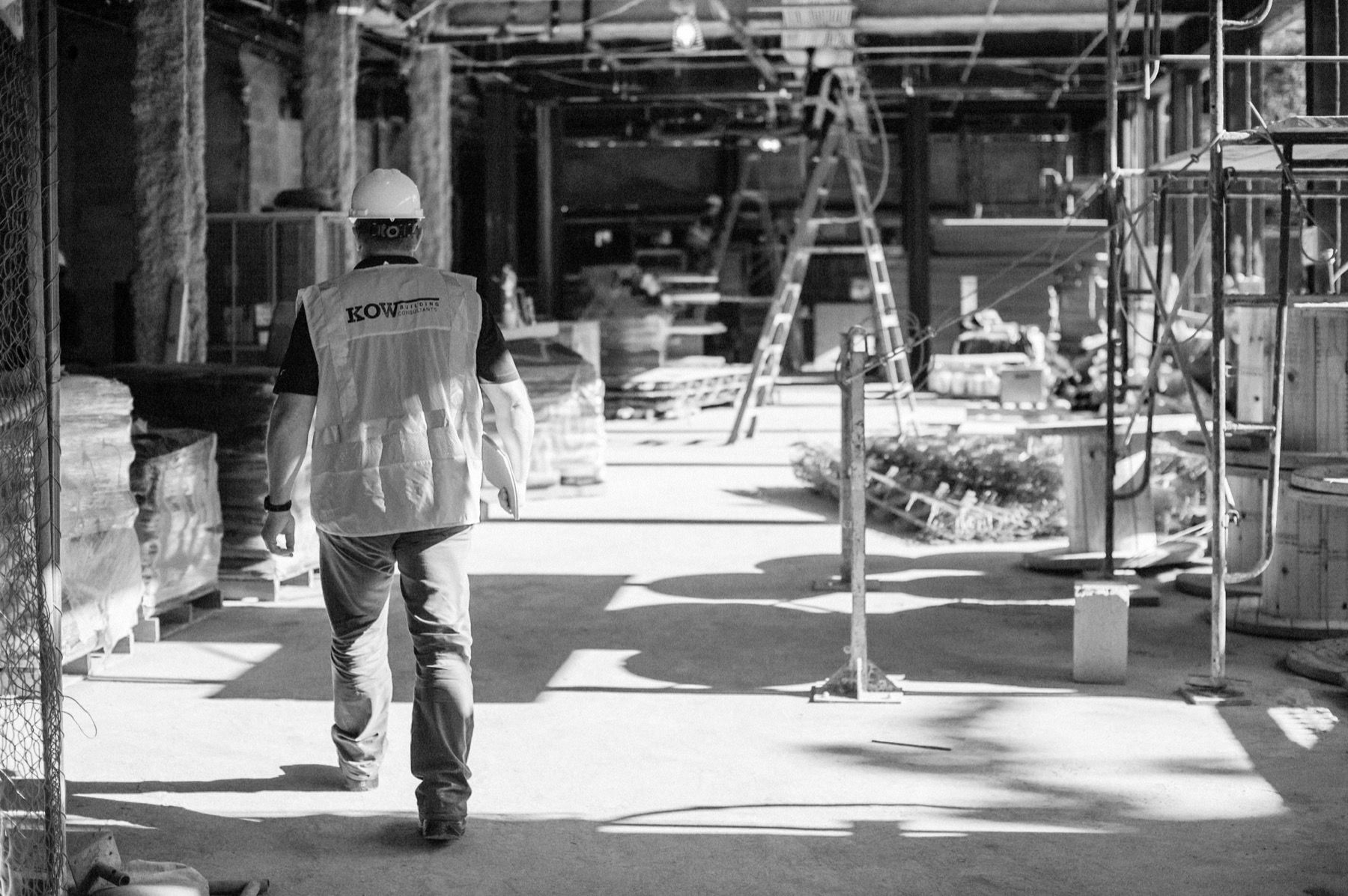
Acceptance should connect tested performance, resolved deficiencies, current records, trained operators, warranties, spare parts, and the work that remains after occupancy.
Define the acceptance decisions before turnover
Start with the states the project must pass through and the party authorized to decide each one. Substantial completion, temporary or final occupancy, beneficial use, owner acceptance, lender or investor completion, final completion, final payment, and warranty-phase acceptance may occur at different times and may rely on different documents. The definitions and consequences come from the contracts, loan and investment agreements, agency requirements, permits, and applicable law—not from a universal closeout checklist.
For each state, record the required scope, evidence, signatories, dependencies, notice period, review period, outstanding work allowed, financial consequence, and conditions that would prevent acceptance. Connect the dates to move-in, lease-up, opening, operations, insurance, permanent utilities, retainage, final funding, equity release, guarantees, and warranty start. KOW can organize and observe evidence within its scope; the owner, design professional, contract administrator, lender, equity partner, insurer, and authorities retain their assigned certifications and decisions.
Turn requirements into a controlled evidence matrix
Build the closeout record while design and construction are still moving. Index the owner’s project requirements, basis of design, drawings and specifications, contracts, submittals, approved changes, permit and authority conditions, commissioning plan, testing requirements, training obligations, warranties, asset-data standards, lender or investor conditions, agency submissions, and owner operating procedures. Give every requirement an accountable preparer, reviewer, acceptance party, due date, evidence type, status, and file location.
Separate planned evidence from accepted evidence. A contractor may have submitted a manual that is incomplete, a startup report that does not cover the installed configuration, or a training agenda without attendance or a recording. The matrix should show what was received, what was reviewed, the latest revision, the exception, and the person who can close it. Tie each unresolved item to the physical system, room, asset, drawing, specification, issue log, payment status, and target completion date so the record does not become a disconnected folder of filenames.
Prove systems and correct deficiencies
Sequence installation checks, startup, testing and balancing, controls point-to-point checks, sensor calibration, functional performance testing, integrated testing, life-safety and authority testing, owner demonstrations, and representative-load or seasonal testing around system readiness. State the prerequisites, test method, expected result, witnesses, data, deficiencies, corrective action, retest, final disposition, and deferred condition. Passing one component startup does not prove that the assembled building operates through normal, low-load, peak, alarm, failure, recovery, and occupied modes.
Maintain one issue record across commissioning, punch work, design clarifications, contractor corrections, authority comments, accessibility findings, owner observations, and operations. Distinguish open, corrected-awaiting-verification, accepted with a documented limitation, deferred to a defined condition, and closed with evidence. A photograph, email, or contractor statement may support closure but should not replace the required test or certification. Material open items should remain visible to lenders and equity partners when they affect completion, funding, collateral, operations, or the cost and responsibility left after turnover.
Transfer a building record people can use
The owner needs the installed condition, not a history of superseded intentions. Closeout should address record drawings and models, redlines, approved submittals, equipment schedules, asset identifiers and locations, controls databases and backups, points and device lists, sequences, setpoints, trend and alarm definitions, testing and balancing, commissioning results, permits and approvals, warranties, spare parts, keys and access credentials, material and finish information, environmental and safety records, and current operating and maintenance manuals. Where a record is incomplete or based on contractor-provided information, preserve the source and limitation.
GSA’s P100 and federal closeout specifications provide detailed models for record drawings, operating manuals, BAS point data, training, warranties, spare parts, testing, and commissioning; their mandatory provisions apply to their respective federal work, not automatically to a private project. Use the project’s own requirements to establish format, naming, asset fields, native and archival files, folder structure, version, access, cybersecurity controls, retention, and systems of record. Test that the owner can find, open, understand, back up, and update the files before the project team disperses.
Make training and operational readiness observable
Training should be organized by role and operating task: normal startup and shutdown, seasonal changeover, setpoints and schedules, alarms, emergency and failure response, temporary conditions, water treatment, safety, maintenance, vendor service, warranty notice, controls navigation, trend review, and the actions that can void or preserve a warranty. Record prerequisites, instructor, audience, agenda, duration, location, materials, attendance, recording, questions, and follow-up. A signed attendance sheet does not establish that the right people can perform the required work.
Check operational readiness beyond the classroom. Confirm staffing and contacts, utility and vendor accounts, service agreements, permits and inspections, consumables, filters and treatment chemicals, tools, test equipment, access, labeling, lockout or safety procedures, maintenance tasks, computerized maintenance data, emergency escalation, and custody of credentials and backups. Conduct practical demonstrations or drills where the consequence warrants it. Give incomplete training or missing resources an owner, due date, interim control, and acceptance decision.
Govern the work that continues after occupancy
Closeout should state every item that survives occupancy: seasonal or deferred tests, open punch work, authority or agency submissions, incomplete record documents, training follow-up, controls tuning, measurement and verification, landscape or site establishment, owner-furnished scope, warranty observations, corrected-work monitoring, and performance issues that need a longer operating period. Identify access, retained funds or other leverage where applicable, responsible party, prerequisites, evidence, target date, escalation, and the person who will accept the result.
DOE’s commissioning process treats handoff as an integration step and recognizes continued testing, reporting, people, and budget. Carry the final issue log, performance record, and owner requirements into the warranty phase; review recurring alarms, comfort or process complaints, energy and water data, equipment failures, unresolved trends, and seasonal results before warranty rights expire. Then update the asset record, operating procedures, maintenance plan, capital plan, and lessons learned. The project is ready to own when responsibility and usable evidence have transferred—not merely when the temporary fencing comes down.
Primary sources
Sources and technical references.
Source review current as of September 2, 2026.
- U.S. Department of Energy FEMP — Commissioning Process for Federal Facilities
- U.S. Department of Energy FEMP — Commissioning in Federal Buildings
- U.S. Department of Energy FEMP — ESPC Phase 4: Project Implementation and Construction
- GSA — 2024 P100 Facilities Standards for the Public Buildings Service
- Whole Building Design Guide — UFGS 01 78 00 Closeout Submittals
- Whole Building Design Guide — UFGS 01 91 00.15 Building Commissioning