
Discover how technology is revolutionizing construction risk management with advanced tools for monitoring, reporting, and compliance. Learn more from KOW Building Consultants.
Introduction
The construction industry has seen remarkable advancements in technology over the last decade. From real-time monitoring tools to AI-driven data analytics, these innovations are reshaping how risks are identified, assessed, and mitigated. In this post, we’ll explore the role of technology in modern construction risk management and how it benefits lenders and developers alike.
The Role of Technology in Construction Risk Management
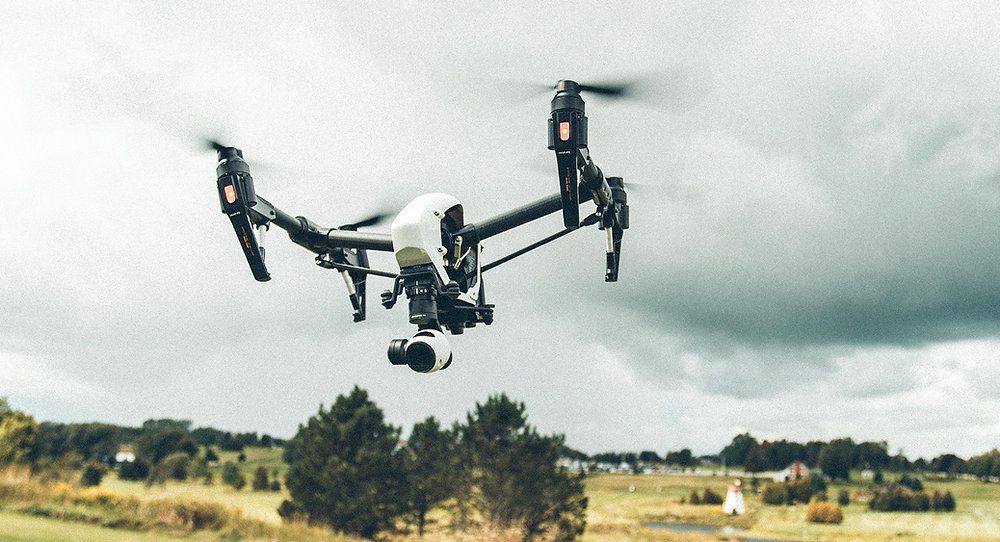
1. Real-Time Monitoring Tools — Modern monitoring systems allow stakeholders to track project progress in real-time. With GPS-enabled equipment tracking and drones for aerial site inspections, lenders and developers can stay updated without physically visiting the site.
Key Benefits:
2. Data Analytics and Predictive Modeling — Advanced data analytics platforms analyze historical data to predict potential risks before they materialize. Predictive modeling helps stakeholders prepare for challenges by identifying patterns and trends.
Applications in Risk Management:
3. Building Information Modeling (BIM) — BIM technology creates 3D digital representations of projects, enabling detailed planning and coordination. It reduces errors and improves decision-making by providing a virtual model of the construction site.
Why It Matters:
Overcoming Challenges with Technology
While technology offers numerous benefits, its adoption also presents challenges:
How KOW Building Consultants Leverages Technology
At KOW Building Consultants, we integrate cutting-edge technology into our construction risk management services to deliver accurate insights and actionable strategies.
Our Services Include:
With these tools, we provide our clients with transparency, efficiency, and peace of mind throughout their projects.