KOW webinar series · Free fall sessions for the industryRegister
Construction & real estate due diligenceNational Reach. Local Insight.

Long-term capital planning

Capital Needs Assessments

A Capital Needs Assessment connects building condition, remaining useful life, repair priorities, replacement costs, and reserves in a long-term capital plan.

Request a proposal

In plain terms

A component-by-component plan for repairs and future replacements.

A Capital Needs Assessment (CNA) connects building condition with future repair and replacement costs. KOW evaluates major components and their remaining useful life, then schedules capital work across the planning period. The report shows how those needs relate to rehabilitation funding and reserves.

Scope, requirements & reporting

Requirements and reporting details.

What an assessor needs to observe

Fieldwork establishes the condition and quantities used in the forecast. Document representative observations of site improvements, envelope, roofs, mechanical systems, interiors, and unit components. Review completed replacements and proposed rehabilitation separately; a system’s calendar age alone does not establish its remaining life.

USDA Rural Development CNA

USDA uses a CNA process addendum, statement of work, review process, and repair/replacement schedule. For transfers, rehabilitation and the subsequent 20-year reserve analysis need to be coordinated. Confirm the current RD-approved scope and inspection sample. The loan servicer’s transfer inspection and the consultant’s CNA sampling have separate requirements.

HUD CNA e-Tool

The e-Tool standardizes assessment data, submission, review, and approval across multiple HUD programs. The applicable program and MAP guidance establish the technical requirements. A useful submission needs consistent component inventories, alternatives, repair costs, replacement timing, financial assumptions, and supporting documents; uploading a narrative PDF alone does not complete that workflow.

Inspection samples are materially different

RD’s published CNA Addendum, Attachment B, specifies at least 50% of dwelling units for properties below 50 units, 45% for 50–99 units, and 40% for 100 or more units, with representative distribution. HUD MAP Appendix A.5.7 specifies, for the listed existing-property programs, at least 10% for properties built and occupied as new construction within ten years of the CNA and at least 25% for others. Vacancy patterns and adverse conditions can require expanded observation. Verify current program instructions and any applicable modifications before setting the access plan.

Avoid double counting rehabilitation and reserves

Identify which components will be replaced using the rehabilitation budget, then reflect their post-rehabilitation condition in the future forecast. Show any later replacement falling within the analysis period. Keep routine operating expenses distinct from capital items and state inflation and cost-date assumptions.

Read the cost schedule alongside the findings

Property owners should be able to trace each material capital item back to the observed condition and stated assumptions. Check the quantity, repair approach, replacement cost, expected timing, and cost date. Revisit those assumptions when the scope or completion date changes; a reserve table is a planning tool, not a contractor bid.

Confirm the scope before scheduling a site visit.

ASTM PCA
A baseline condition assessment; agree on sampling, added investigations, and any reserve analysis.
Fannie Mae PCA
Form 4099, including size-based unit samples and separate vacant/down-unit provisions.
Freddie Mac PCR
Chapter 62, including commercial-space coverage and residential sampling requirements.
USDA CNA
RD’s statement of work, assessment forms, and rehabilitation/replacement-reserve requirements.
HUD CNA e-Tool
An electronic preparation and review system used with the applicable HUD program’s technical requirements.
New York IPNA
Integrated physical, energy, water, and health assessment for the applicable preservation program.

Each program calls for a different scope. Follow the current program documents and lender or agency instructions for your project.

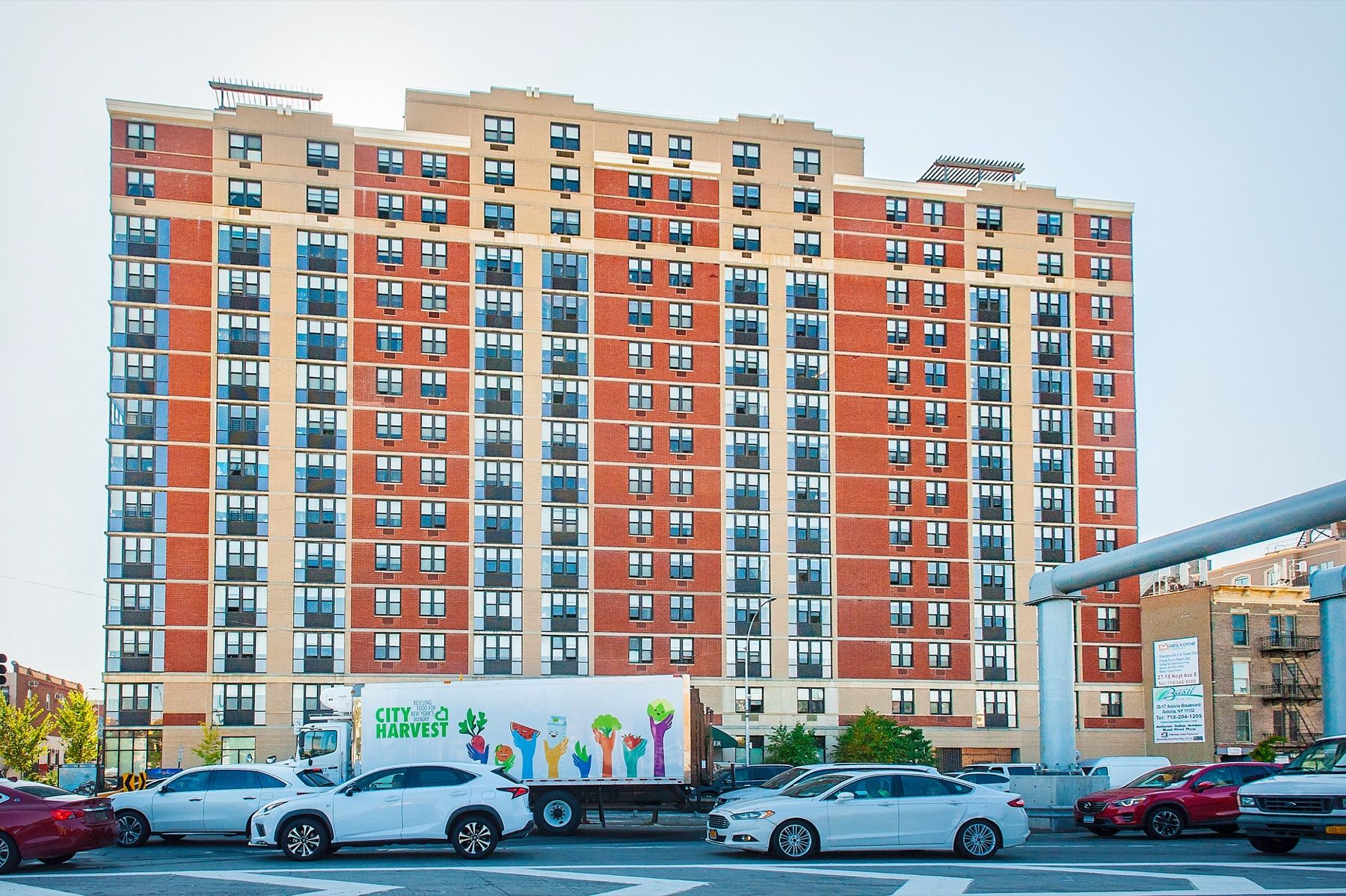
Affordable Housing project representative of KOW experience
KOW in the fieldCurrent condition · Remaining useful life · Capital schedule

Your questions

Questions the report addresses.

  1. 01

    What major capital needs are anticipated and when?

  2. 02

    Which items require immediate action versus longer-term planning?

  3. 03

    Are reserves and planned capital sources aligned with the expected needs?

  4. 04

    How should the plan respond to property goals or program requirements?

Typical scope

What the review covers.

We confirm the final scope based on the property, transaction, program, your requirements, and available information. The work typically includes:

Property and system observations
Immediate and short-term needs
Long-term replacement schedule
Opinion of probable costs
Reserve and timing analysis
Photographic record
Program-specific forms when applicable

Process

How we do the work.

01

Set the assignment

Confirm the property or project, how the report will be used, who will rely on it, the schedule, available information, and the required deliverable.

02

Read the record

Review the documents, identify missing information, and arrange the people and site access needed for the work.

03

Do the field and technical work

Complete the observations, analysis, interviews, and specialist coordination required for the assignment.

04

Report what matters

Explain the significant findings, what supports them, the limits of the review, and any open items or recommended follow-up.

Common assignments

When clients use this service.

Affordable housing preservation

Capital planning to support refinancing, rehabilitation, and long-term stewardship.

Portfolio budgeting

Consistent capital-needs information across multiple properties.

Agency or lender requirement

An assessment prepared to meet the applicable agency or lender program requirements.

Frequently asked

Frequently asked questions.

Is CNA e-Tool a separate inspection standard?

No. It is HUD’s electronic assessment and review platform. The relevant program determines the fieldwork and technical scope. The consultant and lender should agree on both requirements before engagement.

Does every CNA use a 20-year term?

No. The governing program or owner sets the period. USDA transfer guidance includes a 20-year replacement-reserve schedule; another lender or program may specify a different evaluation period or financial model.

How many apartments must be inspected for USDA?

The published RD addendum specifies size-based minimums of 50%, 45%, or 40%, as described above. Confirm the current approved scope and representative distribution. These are the CNA provider’s requirements, not the separate loan-servicer transfer inspection.

Can a spreadsheet be delivered without a narrative report?

A cost schedule needs supporting observations and assumptions. The required package may include a narrative, photographs, component data, repair tables, and an electronic submission. Confirm all deliverables with the receiving program.

Does a low reserve balance change the physical need?

No. Funding constraints do not extend equipment life. They may change financing, phasing, or the rehabilitation strategy, but the report should keep the observed need separate from the available money.

How is a Capital Needs Assessment different from a PCA?

The scopes overlap, but a CNA generally places greater emphasis on longer-range repair and replacement planning, reserve needs, and the requirements of a specific owner, lender, housing program, or portfolio.

What determines the analysis period?

The client or applicable program typically establishes the planning horizon. Available property records, observed condition, expected useful life, planned work, and stated assumptions inform the schedule.

Start a conversation

Talk to us about capital needs assessments.

Tell us what you’re working on. We’ll help you plan the scope and prepare a proposal.

Request a proposal