
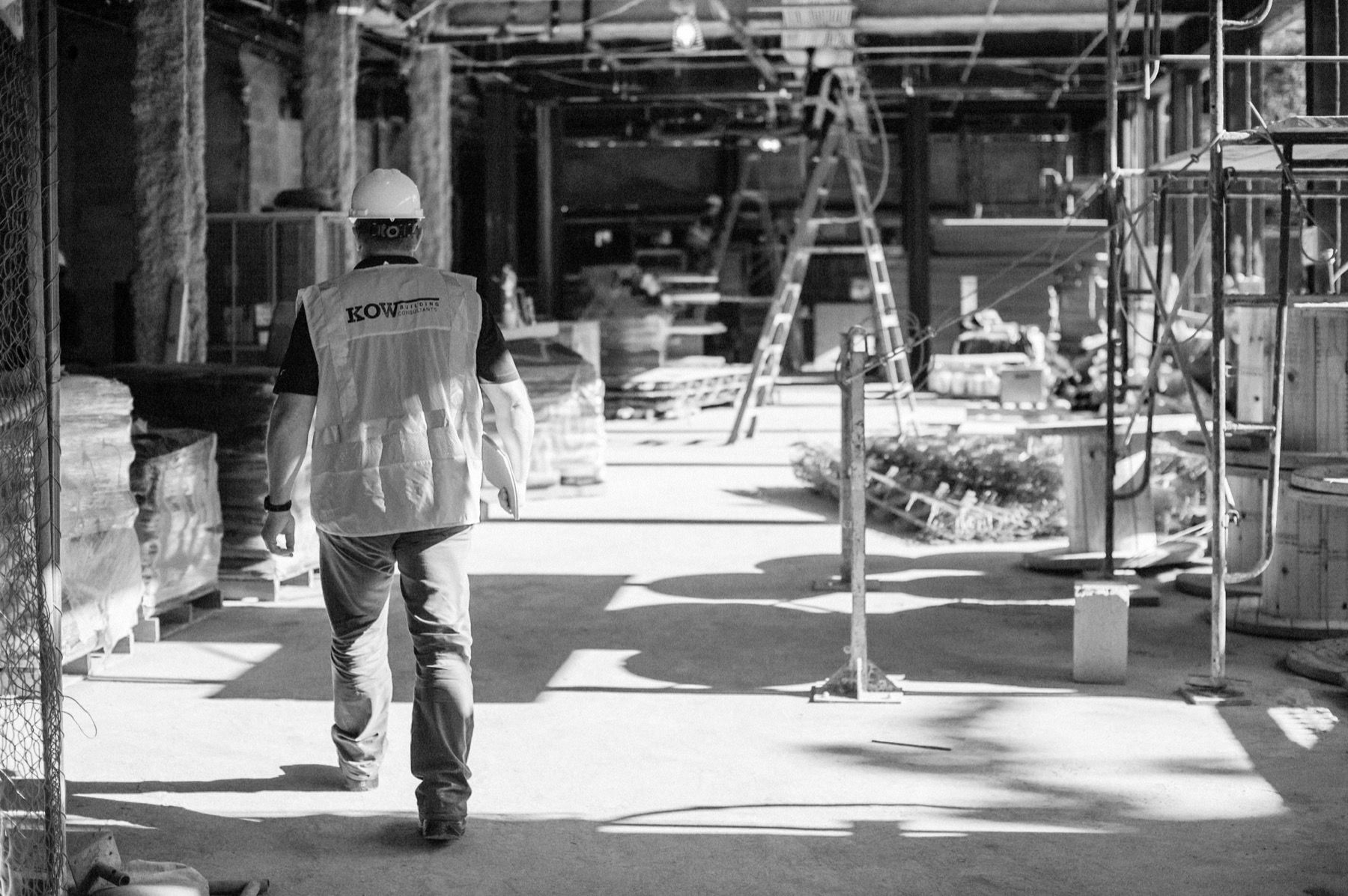
A post-acquisition technical plan should convert diligence, closing obligations, property records, urgent conditions, access, vendors, utilities, compliance, operating systems, capital assumptions, and active projects into one accountable ownership record.
Translate the transaction record into an ownership plan
Assemble the purchase and closing record, property condition and environmental reports, surveys and title materials, leases and operating agreements, lender and equity requirements, estoppels and seller representations, capital and business plans, insurance and loss history, permits and approvals, violations and agency records, tax and utility information, service contracts, warranties, active construction and claims, open invoices, tenant and resident obligations, budgets, reserves, and closing deliverables. Identify intended users and reliance limitations; an acquisition report prepared for a specific point in time and purpose is not automatically a complete operating manual.
ASTM E2018 describes a PCA as a point-in-time, site-specific baseline subject to uncertainty, representative observations, stated objectives, information available, and out-of-scope considerations. Convert each material finding and limitation into an action: accept and monitor, obtain records, reinspect, investigate, design, price, repair, insure, notify, reserve, renegotiate a vendor role, or close with evidence. Give every action a consequence, owner, supporting source, first step, due date, decision-maker, dependency, budget treatment, and status. Keep closing commitments and post-closing covenants separate from discretionary business-plan work.
Days 0–10: take control of people, access, utilities, and urgent risk
Confirm ownership and management contacts, emergency and after-hours escalation, property staff, security and fire command information, authority contacts, tenant or resident communication, insurer and lender notice paths, active contractor control, keys and access devices, roof and restricted spaces, utility and fuel accounts, meters, life-safety and security monitoring, elevators, water, central plant and critical equipment, building automation and remote access, software and cloud services, payment authority, purchase orders, and the people permitted to direct work. Change or transfer credentials through a controlled process without disabling systems the building needs to operate.
Walk the urgent conditions from diligence and closing with property staff and the responsible specialists. Verify immediate safety and health concerns, active leaks and temporary repairs, impairments and fire watch, environmental controls, open excavations or construction, elevator outages, water and temperature risks, critical alarms, structural or enclosure protection, hazardous-material areas, fuel and chemical storage, flood and freeze exposure, and conditions that changed before closing. Establish interim controls, photos and readings, notices, responsible parties, inspection frequency, funds, and explicit closure evidence. Emergency response and regulatory reporting remain with the authorized owner, professionals, contractors, insurers, and authorities.
Days 10–30: recover the operating and environmental record
Build the current property register: parcels and easements, buildings and areas, occupancy and uses, asset and equipment lists, drawings and models, site and utility maps, one-lines and risers, meters and accounts, controls and networks, permits and certificates, inspections and tests, violations, maintenance and work orders, warranties, manuals, spare parts, leases and tenant responsibilities, vendors and service levels, staff knowledge, insurance inspections, energy and water records, emergency procedures, compliance filings, environmental reports and controls, capital projects, and known unavailable information. Record source, date, custodian, format, access, confidence, and the system of record.
Complete ownership and administrator transfers—not only view access—for utilities, ENERGY STAR Portfolio Manager, benchmarking and compliance platforms, building automation, lighting, meters, elevators, fire and security monitoring, access control, maintenance software, vendor portals, warranties, environmental monitoring, and other critical services. ENERGY STAR distinguishes property ownership and data-administrator permissions; the handoff should retain needed shared meters, historical data, authorizations, and provider connections without leaving the seller or former manager as the only administrator. Back up configuration and data before changing accounts, and coordinate operational-technology access with the owner’s security process.
Days 30–60: verify condition, obligations, and the capital baseline
Plan focused follow-up around consequence and uncertainty. Revisit inaccessible spaces and representative areas, interview operators and recurring service vendors, observe systems under different loads, review trend and alarm history, validate active leaks and failures, inspect temporary work, reconcile violations and permits, confirm quantities and project boundaries, and engage structural, enclosure, environmental, plumbing, mechanical, electrical, elevator, fire-protection, accessibility, roofing, pavement, controls, or other specialists where the decision requires them. Do not repeat the entire transaction scope by default; target the information that changes ownership action, reserve, schedule, or risk.
Reconcile the acquisition capital plan with observed condition, actual quantities, recent failures, completed seller work, active contracts, tenant or resident access, procurement, escalation, soft and owner costs, temporary conditions, contingencies, incentives, insurance, operations, and the hold and financing plan. Separate urgent correction, required compliance, reliability and obsolescence, planned repositioning, value improvement, routine maintenance, and optional scope. Update debt and equity teams where changed conditions affect reserves, holdbacks, post-closing obligations, covenants, capital calls, construction funding, collateral, cash flow, or the investment case. Preserve the original underwriting assumption and explain every material change.
Days 60–90: establish the recurring operating and compliance cadence
Create calendars and accountable procedures for life-safety inspection and testing, elevators, façades, parapets and parking where applicable, boilers and pressure equipment, water-management activities, environmental operation and maintenance plans, tanks and hazardous materials, stormwater, permits, licenses, utility and benchmarking filings, energy and emissions requirements, warranty notices, roof and envelope maintenance, equipment preventive maintenance, controls and alarms, emergency drills, vendor reviews, tenant or resident notices, lender or investor reporting, construction monitoring, and capital decision gates. The applicable obligations depend on jurisdiction, building, systems, permits, agreements, and property use; confirm them with the responsible professionals and authorities.
Set the management rhythm: daily and weekly urgent review, monthly operating and utility review, open-issue aging, quarterly capital and risk review, seasonal system preparation, annual compliance and reserve update, and event-driven escalation. Define measures that lead to action rather than dashboards without owners: critical alarms, outages, leaks, water loss, comfort or process exceptions, open violations, test deficiencies, recurring work orders, temporary repairs, warranty deadlines, energy and water variance, aged capital findings, procurement and schedule exposure, construction changes, reserve use, and unresolved seller or closing obligations. Link every roll-up to the building source record and responsible person.
Day 100: approve the first controlled ownership baseline
Hold a decision review with ownership, asset and property management, operations, finance, debt and equity representatives as appropriate, leasing, legal, insurance, sustainability, security and information technology, active project teams, and technical consultants. Present the verified property profile, urgent-control status, environmental and compliance obligations, open records and access, operating-system health, vendor and staffing gaps, active construction and claims, utility and performance baseline, capital reconciliation, 12-month work plan, longer capital sequence, budget and reserves, funding and decision dates, and the items still uncertain. Force each open item into an accepted owner and next action rather than a general recommendation.
Publish one action register and controlled property record. Show closed with evidence, accepted monitoring, active correction, pending investigation, design or procurement, disputed or third-party dependent, deferred by an authorized decision, and unknown. For environmental conditions, remember that All Appropriate Inquiries occurs before acquisition and that certain CERCLA liability protections depend on separate statutory criteria and continuing obligations after acquisition; the owner should obtain environmental and legal advice specific to the property. The 100-day plan is not an arbitrary finish line. It is the point where transaction knowledge has become recurring building governance, and every material technical assumption has a visible owner, funding treatment, verification path, and review date.
Primary sources
Sources and technical references.
Source review current as of September 2, 2026.
- ASTM International — E2018-24 Standard Guide for Property Condition Assessments
- U.S. Environmental Protection Agency — Brownfields All Appropriate Inquiries
- U.S. Environmental Protection Agency — Top 10 Questions to Ask When Buying a Superfund Site
- ENERGY STAR — Connection and Sharing for Data Exchange
- Centers for Disease Control and Prevention — Overview of Water Management Programs
- NIST SP 800-82 Rev. 3 — Guide to Operational Technology Security