
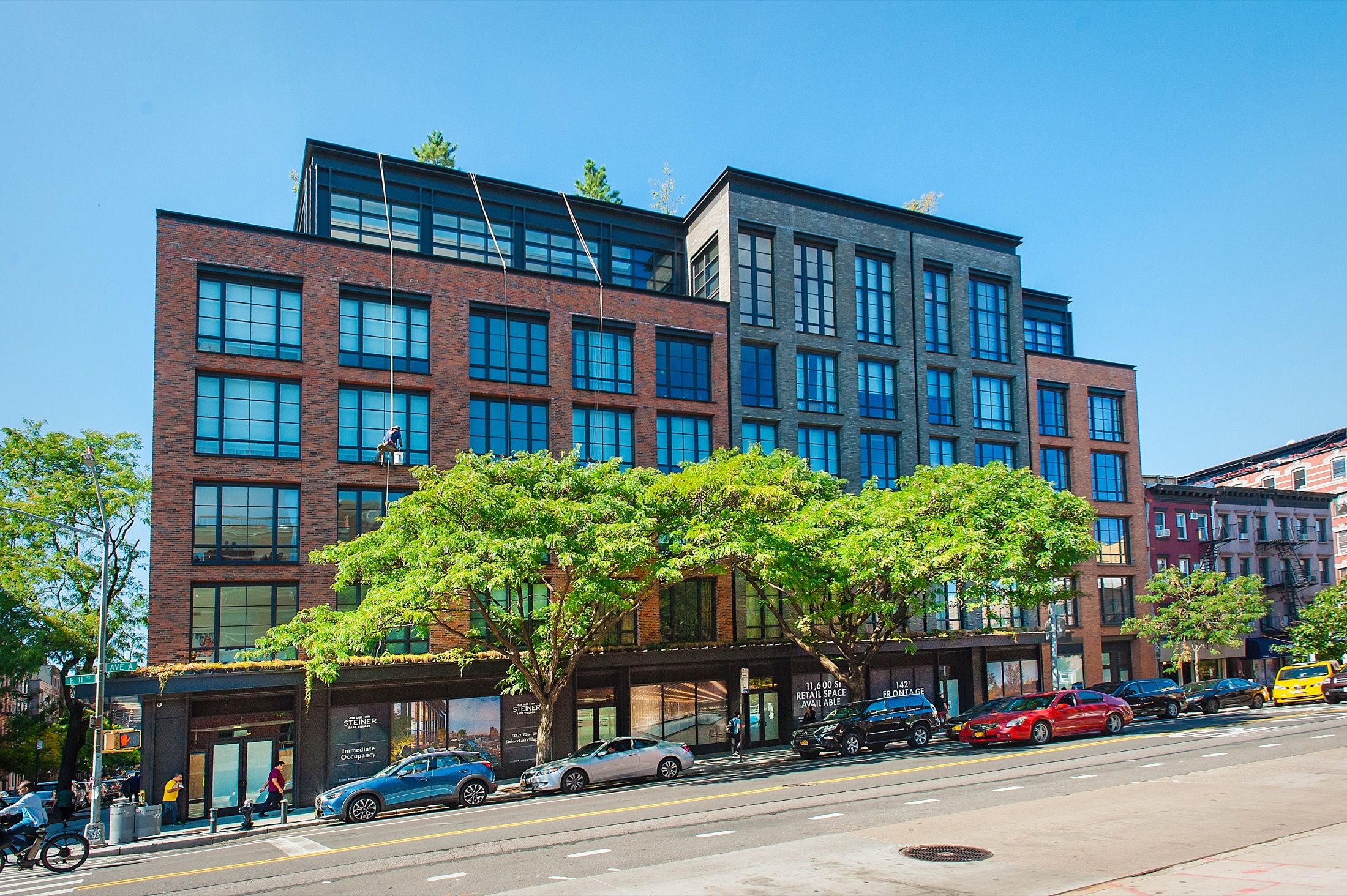
A useful pre-fieldwork record identifies the property, decision, available documents, responsible people, known conditions, access, gaps, and conflicting information.
State the property and decision before requesting files
The intake should identify the property boundary, address and building identifiers, ownership and management entities, property type and uses, building and site count, major areas, occupancy, transaction or planning purpose, intended users, reliance, applicable lender or program requirements, site date, report date, and closing or decision milestone. A portfolio roster should preserve those facts separately for every asset.
Physical condition, environmental, capital-needs, agency, accessibility, energy, and focused specialist work are not interchangeable scopes. A coordinated engagement can share property information and access planning, but each discipline should retain its own objectives, standards, timing, professionals, and user responsibilities.
Build a document index—not a digital loading dock
For physical diligence, useful records may include surveys, site and building drawings, specifications, permits, certificates, fire and building inspection records, violations, roof and façade reports, elevator records, maintenance contracts, equipment lists, preventive-maintenance and work-order history, capital plans, repair projects, warranties, testing, utility information, insurance-loss history, prior assessments, and accessibility information. The request should be tailored to the property and assignment.
Each item should identify document type, date, property or building, system or area, author or source, version or status, and whether it is complete, superseded, draft, or limited. Duplicate filenames, undated scans, excerpts without context, and a mixture of current and obsolete plans can consume review time while making the current record less clear.
Surface known conditions before the consultant arrives
The property team should disclose active leaks, shutdowns, temporary repairs, fire or life-safety concerns, structural or façade work, elevator outages, environmental conditions, tenant or resident complaints, mold or moisture incidents, utility problems, code or agency matters, accessibility concerns, casualty events, major replacements, planned projects, and areas that cannot be accessed. The purpose is not to prewrite the conclusion; it is to make the visit responsive to the property.
ASTM E2018 places responsibilities on the user for objectives, a point of contact, access, and disclosure and uses document review and interviews to augment the walk-through. A consultant cannot ask a follow-up question about a recurring condition it was never told existed, and a clean-looking area after a recent repair may not reveal the prior symptom without the history.
Choose interviewees for what they actually know
Property management may know complaints, tenant coordination, contracts, and planned capital work. Building engineering or maintenance may know system performance, recurring failures, controls, shutdowns, workarounds, and vendor history. Ownership or asset management may know budgets, warranties, claims, completed projects, and business-plan decisions. Vendors or former personnel may hold information not captured in current files.
The kickoff should identify names, roles, tenure, availability, and the systems or history each person can address. Reported information should be attributed and reconciled with records and observations where possible. An interview is evidence with a source, not an automatic substitute for inspection, testing, or documentation.
Design access around the important variations
Before fieldwork, confirm escorts, keys, roof and mechanical access, occupied and vacant areas, tenant or resident notice, restricted spaces, ladders or lifts, site-safety rules, security, photography limits, parking, utility rooms, representative units or tenant spaces, active work, and equipment that may be shut down. Known problem areas should be included without allowing the visit to become a tour of only the most convenient locations.
Representative coverage should account for different buildings, ages, uses, orientations, floors, construction types, renovated and unrenovated areas, operating conditions, and complaint histories. When access cannot be obtained, the record should identify what is affected, why it matters, and whether a return visit, records review, specialist, or other follow-up would reduce material uncertainty.
Keep missing and conflicting information visible
The pre-fieldwork tracker should show requested, received, reviewed, incomplete, not available, superseded, conflicting, and still expected records. A missing roof warranty, elevator inspection, repair invoice, permit closeout, capital budget, environmental report, or access approval may affect different sections of the work and should be routed to the appropriate reviewer rather than collapsed into one general data-room status.
For Phase I environmental work, EPA identifies All Appropriate Inquiries as a process with specific timing and components, and ASTM E1527-21 assigns responsibilities to both the user and environmental professional. Physical and environmental teams can coordinate site logistics and property facts, but one team’s document completion does not establish the other discipline’s readiness or legal sufficiency. The final report should state material gaps, available alternatives, conclusions affected, and recommended follow-up.
Primary sources
Sources and technical references.
Source review current as of September 1, 2026.