
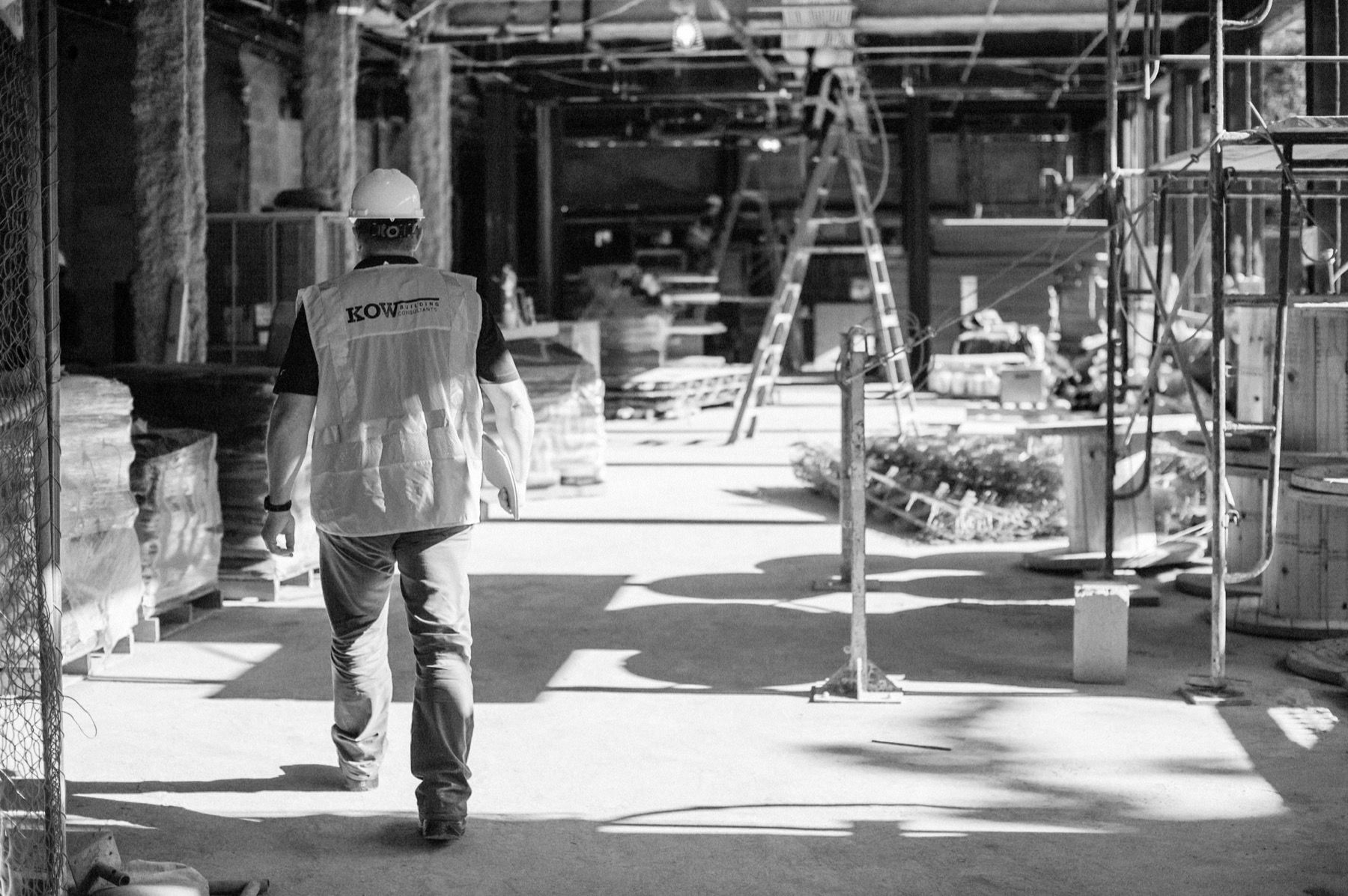
Portfolio follow-up works when the original finding, required evidence, current condition, responsible party, acceptance decision, and limitations remain connected.
Write the original finding so another person can follow it
The source record should identify the property, location, system or condition, observation date, available history, evidence, material consequence, recommendation, urgency, planning cost where applicable, scope limitation, and the question that further work should answer. “Repair roof” does not establish whether follow-up is meant to confirm patching, investigate recurring leakage, review a replacement design, observe completed work, or test the assembly.
The issue register should link to the report page, photographs, cost schedule, environmental record, specialist recommendation, or other basis. It should also identify who controls the response, who provides evidence, who reviews it, who accepts the disposition, and whether lender, owner, counsel, agency, insurer, or program requirements create a separate approval.
Define required evidence and due dates at the start
Potential evidence may include dated photographs, invoices, permits, contractor closeout, design-professional letters, test results, waste or disposal records, warranties, agency correspondence, maintenance records, or a consultant return visit. The correct package depends on the condition. Payment documentation can show that work was billed; it does not necessarily show the location, completeness, performance, or current condition of the repair.
Each item should have a target date, responsible party, evidence owner, review owner, and escalation path. When the completion date is tied to closing, funding, a seasonal condition, tenant access, an agency milestone, or a warranty period, the register should preserve that dependency rather than treating every follow-up item as an undifferentiated open task.
Choose desktop closure only when the evidence answers the question
Desktop review may be sufficient when the required disposition is documentary and the records are specific, current, attributable, and consistent. It may also support triage before a field visit. A return observation is more appropriate when location, visible completeness, changed condition, recurring symptoms, accessibility, representative coverage, or installation quality materially affects the conclusion.
Testing, destructive investigation, design review, environmental sampling, structural analysis, façade access, elevator specialist review, or another discipline may be needed when a visual reinspection cannot answer the question. The follow-up proposal should state what KOW will and will not verify so a narrow visit is not mistaken for acceptance of design, code compliance, concealed work, legal sufficiency, or system performance outside the scope.
Reinspect against the source record and current conditions
The field plan should carry the original location, photographs, description, requested evidence, access needs, reported corrective work, and acceptance question. At the property, the consultant should document whether the relevant area was accessible; whether the condition appears repaired, unchanged, worsened, or materially different; and whether new information changes the original recommendation.
ASTM E2018 describes a PCA as site-specific and point-in-time and says prior report information may assist a current assessment but should be verified. A reinspection is likewise dated and scope-limited. Weather, occupancy, equipment operation, concealed work, changed use, new repairs, or unavailable records can produce a different observation without proving that either report was deficient.
Use dispositions that preserve partial and failed outcomes
Closed-verified, accepted by client, partially addressed, correction reported but not observed, further evaluation pending, inaccessible, recurring, superseded by new scope, and not accepted are materially different outcomes. The disposition should state the evidence reviewed, date, reviewer, remaining condition, and next action. A percentage-complete field should not replace that explanation.
When work addresses only part of a finding, the record should separate the completed component from the remaining exposure and update cost or urgency only when the evidence supports it. A failed repair, new symptom, conflicting record, or changed property condition should create a new linked action while preserving the chronology of the original issue.
Keep the portfolio history useful after the transaction
At program level, clients may need counts of open material findings, past-due evidence, upcoming reinspections, repeated condition types, accepted dispositions, unresolved specialist work, and properties with changed risk. Those summaries should remain traceable to the source finding and should distinguish consultant verification from client acceptance or another party’s certification.
The completed history can inform asset management, capital planning, future refinancing, renovation, environmental controls, and recurring diligence. It does not eliminate the need for a current assessment when the property, purpose, intended users, access, standard, or material conditions have changed. It gives the next decision-maker a better starting record—and makes it much harder for an unresolved finding to disappear between a final report and the next transaction.
Primary sources
Sources and technical references.
Source review current as of September 1, 2026.