
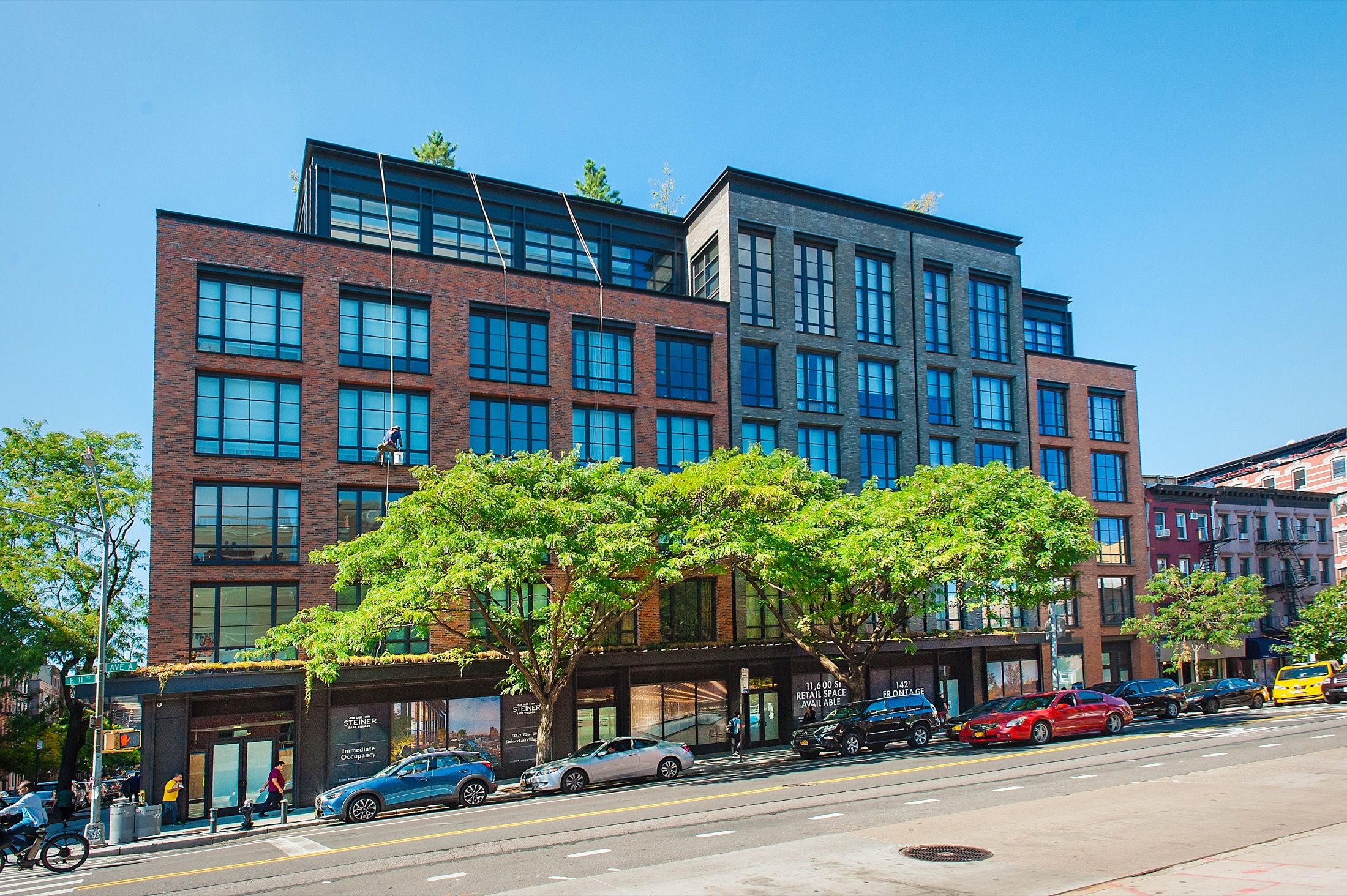
Occupied-property diligence needs a deliberate access and sampling plan, clear coordination with building operations, and limitations tied to the decisions they affect.
Define the decision before negotiating access
Acquisition, refinance, agency lending, capital planning, insurance, renovation, and portfolio review do not ask the same questions. The scope should identify the intended users, reliance, evaluation period, required standard or program, known concerns, report date, and the decision the work must support before the site-access plan is finalized.
The property team should identify building hours, occupied areas, sensitive uses, tenant or resident notice requirements, escorts, keys, shutdown limitations, roof and mechanical access, active work, safety requirements, photography restrictions, and areas controlled by others. A calendar invitation is not an access plan; the plan needs named responsibilities and a route for resolving exceptions while the field team is still onsite.
Choose representative observations deliberately
A property condition assessment generally relies on visual, non-invasive, representative observations. The appropriate sample depends on asset type, number and similarity of buildings, unit or tenant mix, age, renovation history, known problems, system configuration, occupancy, and the client’s risk tolerance. A percentage by itself does not explain whether the sample is useful.
ASTM E2018 describes a baseline PCA as subject to uncertainty and recognizes representative observations, user-mandated sampling, and scope variation based on the property and user objectives. The report should describe the areas or units observed, the basis for the sample, material substitutions or refusals, and whether conditions appeared sufficiently homogeneous to support limited extrapolation.
Coordinate occupants without staging the evidence
Occupied inspections require communication that protects privacy, operations, and safety without turning the visit into a tour of only the best-prepared spaces. Selection should preserve the agreed sampling logic and include relevant variations such as different floors, orientations, vintages, uses, complaint histories, renovated and unrenovated areas, or locations near known envelope and system concerns.
The consultant should not promise confidentiality, occupant communication, health conclusions, or access authority beyond the engagement. Management should remain responsible for notices and permissions. When a condition requires prompt action, the field team should use the agreed escalation path rather than discussing an unreviewed conclusion with occupants or disrupting operations on its own.
Treat operating history as technical evidence
A short walkthrough may not capture an intermittent roof leak, seasonal comfort problem, recurring sewer backup, elevator outage pattern, control issue, or equipment that was not operating during the visit. Interviews with personnel who know the property, together with work orders, preventive-maintenance records, complaints, service contracts, testing, inspection reports, utility information, and capital history, help explain what the field observation means.
Those sources still need attribution. A reported condition is not the same as an observed one, and an absence of complaints does not prove that a system is performing adequately. The report should reconcile material conflicts where possible and preserve the source and uncertainty when the available records do not support one conclusion.
Make every material limitation decision-specific
Locked electrical rooms, concealed structure, inaccessible roofs, occupied dwelling units, snow cover, stored contents, active construction, safety restrictions, or unavailable records can constrain the assessment. A useful limitation identifies the affected area or system, the reason access was not obtained, what information was still available, and which opinion or cost is less certain as a result.
The report should avoid both extremes: implying comprehensive inspection when only a sample was observed, or burying broad boilerplate that gives the client no way to act. The question is whether the unobserved condition could change a material finding, capital allowance, repair priority, transaction decision, or planned scope.
Plan targeted follow-up instead of promising certainty
Follow-up may involve a return visit, additional unit or tenant-area sampling, specialist evaluation, moisture investigation, destructive probing, testing, records retrieval, contractor pricing, design review, or monitoring through a different season or operating condition. The recommendation should identify the question to be answered and why the added work is proportionate to the decision.
A PCA or building inspection remains a point-in-time assessment within an agreed scope. KOW’s role is to make the observed conditions, reported history, sampling basis, material limitations, opinions of cost, and next steps traceable enough that the client can decide whether the current evidence is sufficient.
Primary sources
Sources and technical references.
Source review current as of September 1, 2026.