

Cost to Complete
At KOW Building Consultants, our Cost to Complete services provide lenders, investors, owners, and special servicers with an independent analysis of an active or stalled construction project’s current status and the remaining cost to complete construction.
A proper cost to complete analysis is more than a rough opinion. It is a forensic review of what has been built, what remains, how the current budget aligns with actual progress, and whether additional time or funding will be required to achieve project completion. As part of our broader construction risk management platform, this service helps clients make informed decisions when a project is underperforming, changing hands, or facing budget pressure.
For many clients, a construction cost to complete review works hand in hand with construction loan monitoring and pre-construction review, giving stakeholders a clearer picture of project risk before more capital is deployed.
Cost to Complete Services
-
Email: incoming@kowbc.com
-
Phone: (855) 966-5888
Hours
Mon-Fri 9:00 am - 8:00 pm EST
What Is a Cost to Complete Analysis?
A Cost to Complete analysis is an independent evaluation of an in-progress construction project that determines the estimated time and funds required to complete the remaining work.
In practical terms, this means reviewing:
-
the current stage of construction
-
the percentage of work actually completed
-
the remaining scope of work
-
the adequacy of the remaining budget
-
schedule-to-complete assumptions
-
unresolved deficiencies, change orders, and risk items
A reliable cost to complete report helps answer a critical question:
“Based on the project’s actual status today, how much more money and time will it take to finish?”
That question matters to lenders, workout teams, receivers, investors, and owners when a project is no longer tracking cleanly against its original budget or schedule.
When Is a Cost to Complete Review Needed?

Stalled or Distressed Construction Projects
When work has slowed, stopped, or become inconsistent, stakeholders need an updated view of the remaining cost to complete and whether the original budget is still realistic.

Budget Overruns and Funding Gaps
If a project has burned through contingency, experienced major change orders, or started to drift from draw assumptions, a construction cost to complete analysis can identify the size of the shortfall.

Lender Transitions, Workouts, and Foreclosure Scenarios
When a lender is stepping into a new oversight role, transferring a file to a special assets team, or evaluating recovery options, a third-party Cost to Complete review provides a more objective picture of current exposure.

Ownership Changes or Equity Restructuring
New investors, replacement sponsors, and workout partners often need an updated completion estimate before deciding whether to recapitalize or restructure a deal.
Disputes Over Percent Complete
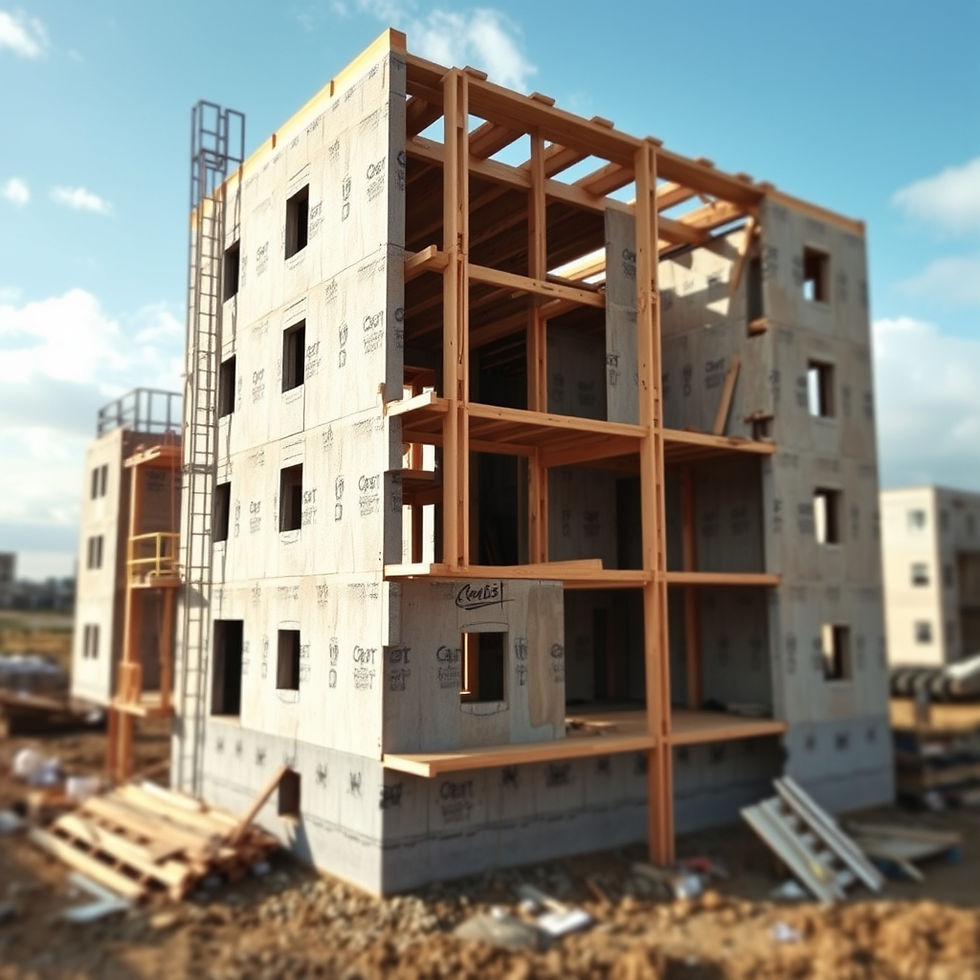
If the reported progress does not align with the site conditions, a cost to complete analysis helps separate what is actually in place from what is only assumed on paper.
What’s Included in a KOW Cost to Complete Engagement?
Our team approaches each assignment as an independent construction risk assessment grounded in field observations, document review, and practical construction knowledge.
Project Document Review
We review the materials available to understand the original scope, budget, and execution plan, which may include:
-
contracts and amendments
-
draw history
-
change orders
-
schedules
-
cost breakdowns
-
prior inspection reports
-
lender or owner reporting packages
Where helpful, this review also connects with earlier due diligence such as property condition assessments and Phase I Environmental Site Assessments, especially when site conditions or legacy issues may affect completion costs.
Site Inspection and Current Status Verification
A Cost to Complete service starts with verifying the current condition of the job. Our team inspects the site to understand what work has been completed, what remains unfinished, and whether visible progress aligns with reported completion levels.
This typically includes review of:
-
site work and utilities
-
structure and enclosure progress
-
MEP rough-ins and installed systems
-
interior buildout status
-
exterior improvements
-
signs of deferred, defective, or incomplete work
-
general project momentum and sequencing
Remaining Scope Evaluation
We identify the remaining components required to complete the project as intended, including major trades, unfinished assemblies, closeout items, testing, startup, punch list, and other required completion activities.
This is where a cost to complete report becomes especially useful: it is not just a high-level opinion, but a structured assessment of what remains between the current condition and a finished project.
Construction Cost to Complete Estimate
We develop an estimate of the remaining cost to complete construction, taking into account:
-
unfinished trade work
-
known deficiencies
-
likely rework
-
escalation and procurement concerns
-
general conditions and supervision needs
-
appropriate contingency
For troubled projects, this step is often essential to understanding whether the current capital stack is enough to finish the job or whether additional funding will be required.
Schedule-to-Complete Review
Time risk matters too. We evaluate the current schedule condition, likely completion path, and whether the remaining duration assumptions appear realistic.
If the schedule is no longer credible, the cost to complete analysis should reflect the impact that additional duration may have on general conditions, carry costs, and project exposure.
Risk Findings and Executive Conclusions
Our final work product is designed to support decision-making. We identify key concerns, summarize the remaining cost to complete, and clearly state the issues most likely to affect successful project completion.
What Does a Cost to Complete Report Help You Decide?
A strong Cost to Complete report gives stakeholders more than a number. It helps answer the larger questions behind the number.
For Lenders:
Lenders use cost to complete services to evaluate:
-
whether additional advances are justified
-
whether the loan remains adequately supported
-
whether a workout or restructuring is needed
-
whether the current sponsor can realistically complete the job
This is especially powerful when paired with ongoing construction loan monitoring or lender-focused guidance like our post on understanding construction loan monitoring: a guide for lenders.
For Investors and Owners:
Owners and equity partners use a construction cost to complete review to determine whether a project is still viable under the current plan, whether a scope reset is needed, or whether additional capital is required to reach stabilization.
For Special Servicers and Workout Teams:
When a project is distressed, a cost to complete analysis provides a neutral basis for assessing risk, negotiating next steps, and evaluating the path to recovery.
For Project Transfers and Oversight Changes
When a project is moving to a new lender, asset manager, or consultant, a fresh cost to complete report helps establish a current baseline.
Why Cost to Complete Matters in Construction Risk Management
A Cost to Complete review is not an isolated service. It is one of the most important tools in a broader construction risk management strategy because it connects physical jobsite conditions to real funding and execution risk.
When done properly, it can reveal:
-
budget shortfalls hidden by outdated assumptions
-
percent-complete reporting that no longer matches site reality
-
schedule slippage that will increase carry costs
-
missing scope or underfunded completion items
-
the need for new contingency or revised lender controls
That is why many clients pair this service with:
-
Construction Loan Monitoring for ongoing draw and progress oversight
-
Pre-Construction Review to validate assumptions before closing or recapitalization
-
Feasibility Studies when a project may need re-scoping, redesign, or a revised completion strategy
-
Capital Needs Assessments when long-term reserve and system planning also affect the asset’s path forward
Cost to Complete vs. Construction Loan Monitoring
-
These services are related, but they are not the same.
-
Construction loan monitoring is an ongoing process that tracks project progress, draw requests, and lender risk over time.
-
Cost to Complete is a focused review of the current project condition and the remaining funds and time needed to finish the job.
-
In many cases, construction loan monitoring may reveal that a project is drifting. A cost to complete construction review is then used to reset expectations and quantify the remaining exposure.
-
For readers who want a better understanding of how third-party oversight fits into construction lending, our blog on how third-party construction loan inspectors operate is also relevant here.
Who Uses Cost to Complete Services?
KOWBC provides Cost to Complete services for a wide range of stakeholders, including:
-
banks and private lenders
-
debt funds and bridge lenders
-
special servicers and workout groups
-
equity partners and family offices
-
developers and owners
-
receivers, attorneys, and restructuring teams
These assignments often involve multifamily, mixed-use, hospitality, industrial, office, and other commercial projects where the remaining cost to complete has become a major decision point.
Nationwide Support for Cost to Complete Reviews
KOWBC supports projects across the country through our growing locations network. Whether the project is in active construction, partially complete, or experiencing delays, our team can provide independent field-based analysis that helps stakeholders understand the true construction cost to complete.
Why Choose KOW Building Consultants for Cost to Complete?
Clients choose KOWBC because we do more than restate a borrower’s numbers. We approach each Cost to Complete engagement with the mindset of an independent building consultant focused on real-world project completion risk.
Our team understands how construction projects are budgeted, financed, inspected, and managed. That matters because a strong cost to complete analysis depends on more than estimating unfinished work. It depends on understanding where the job stands today, what is still missing, how much time remains, and which assumptions are likely to fail under pressure.

Cost to Complete FAQs
What is Cost to Complete in construction?
Cost to Complete in construction is the estimated amount of money still required to finish an in-progress project based on its actual current status, remaining scope, and project risks.
What is included in a cost to complete analysis?
A cost to complete analysis typically includes document review, site inspection, verification of percent complete, assessment of unfinished scope, remaining budget analysis, schedule review, and a written cost to complete report.
Who needs cost to complete services?
Lenders, investors, owners, special servicers, and workout teams often need cost to complete services when a project is delayed, over budget, distressed, or changing hands.
How is Cost to Complete different from construction loan monitoring?
Construction loan monitoring is ongoing oversight during the life of a project. Cost to Complete is a focused review of how much money and time are still required to finish the project from its current condition.
When should a lender order a cost to complete report?
A lender should consider a cost to complete report when a project shows signs of distress, when reported progress does not align with the site, when additional advances are being considered, or when the asset is moving into workout or special servicing.
Can a Cost to Complete review identify funding gaps?
Yes. One of the main purposes of a construction cost to complete review is to determine whether the remaining budget is sufficient or whether additional capital will likely be needed.
You can explore our full construction risk management services. You can learn more about construction loan monitoring. Or you can browse our full services overview.